The Guardian of Giza: Unlocking the Secrets of the Great Sphinx
Imagine standing on the golden sands of the Giza Plateau, the desert wind brushing your face as you look up into the eyes of history itself. The Great Sphinx of Giza is not merely a statue; it is the ultimate symbol of ancient mystery and enduring power. For over 4,500 years, this colossal guardian—possessing the body of a lion and the head of a king—has watched over the sunrise, stoically witnessing the rise and fall of empires. It is the largest monolithic statue in the world, a masterpiece carved from the living bedrock of Egypt that continues to captivate the human imagination.
As you approach its massive paws, you feel a profound connection to the ancients who once considered this figure the living image of the sun god. Join me, Ancient Passenger, as we unravel the enigma of this timeless sentinel.
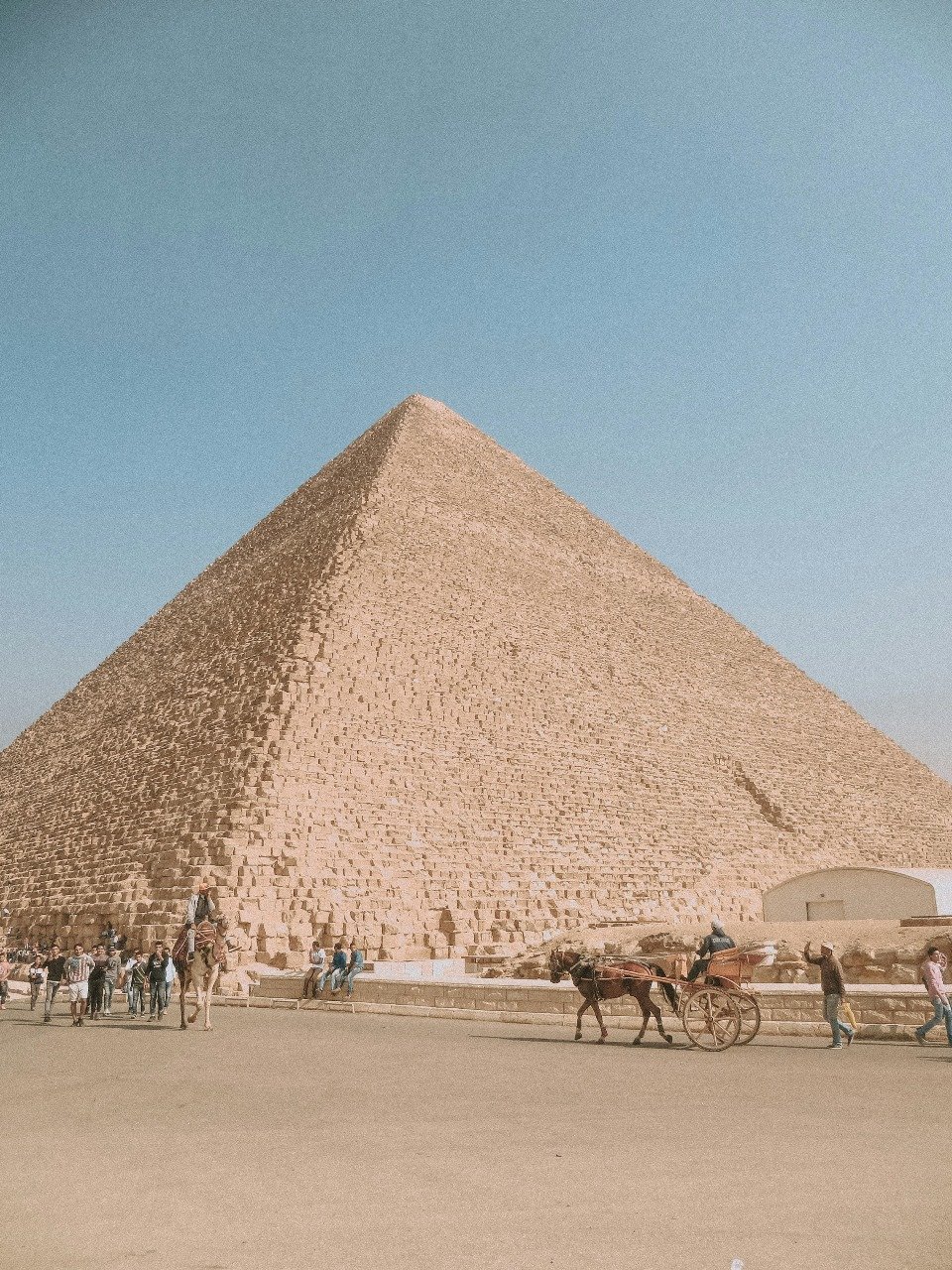
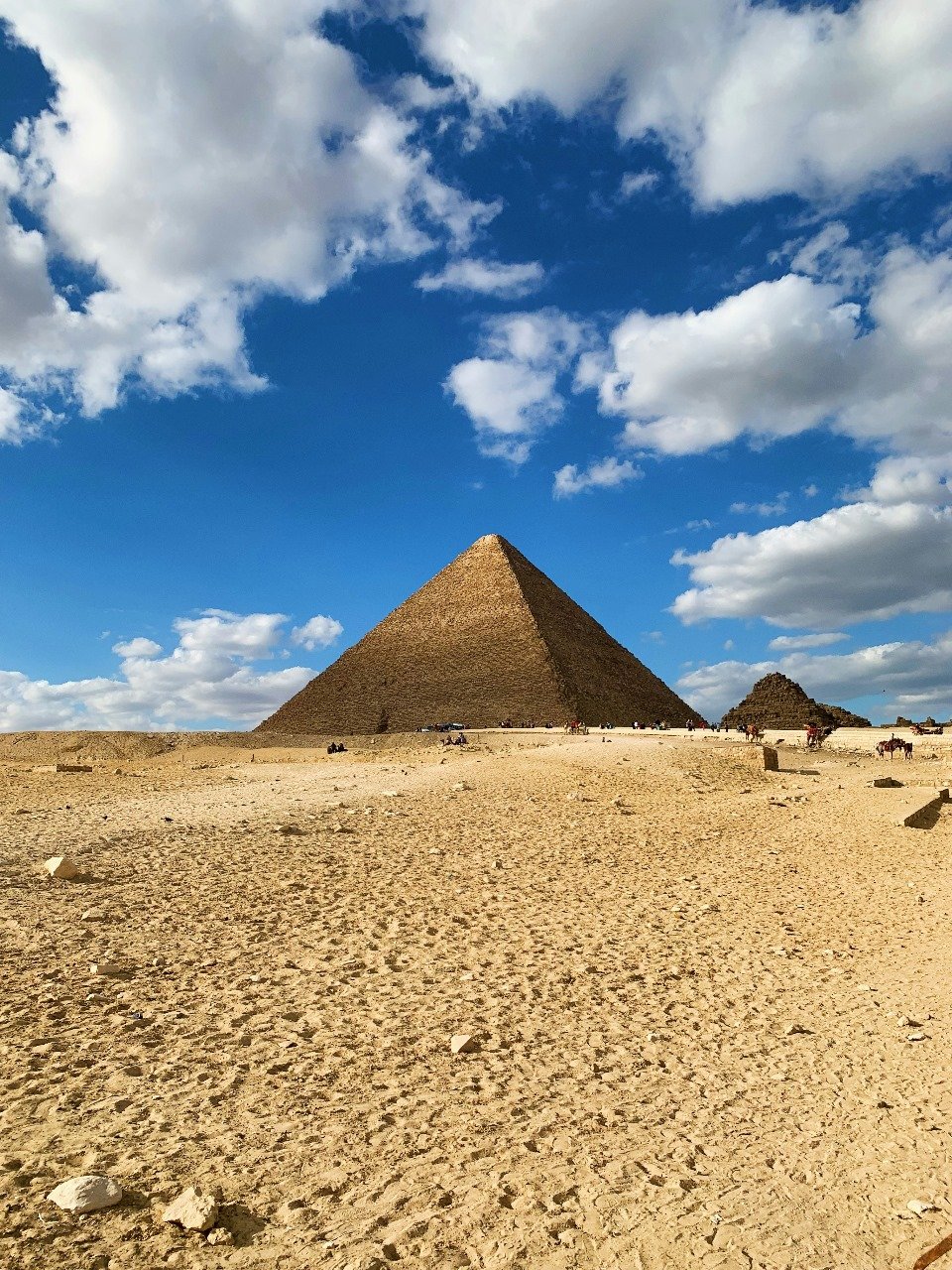
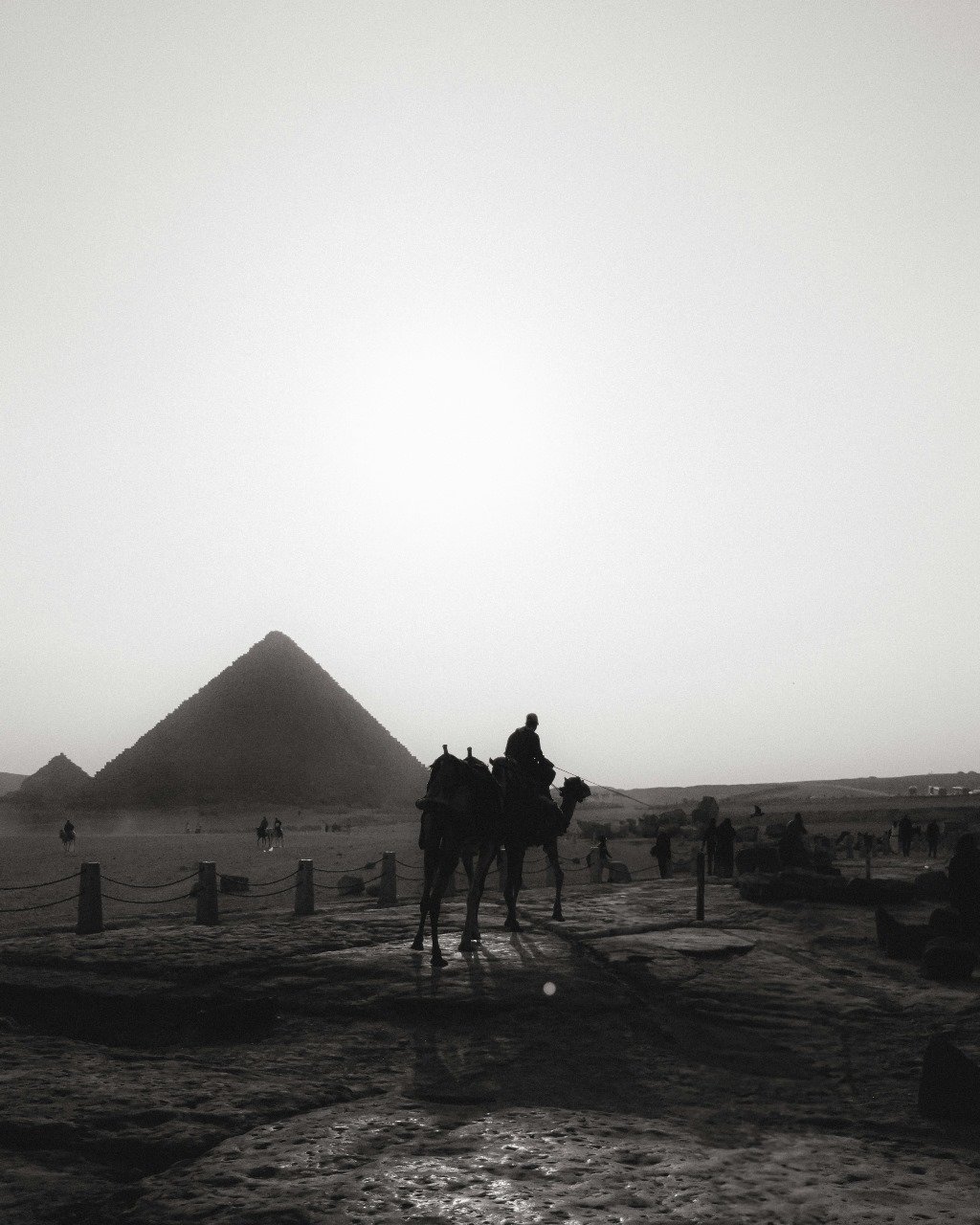
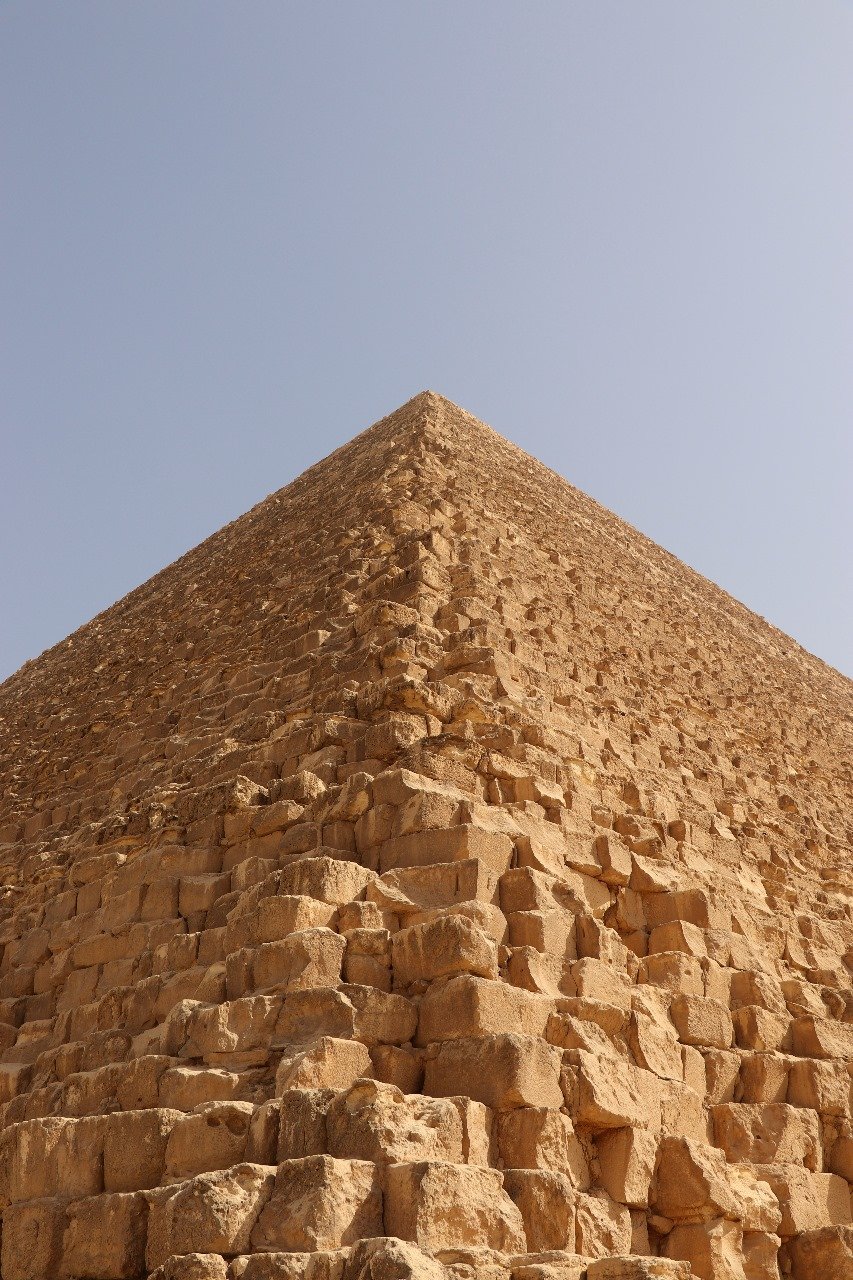
A Glimpse into History
Architectural Marvels
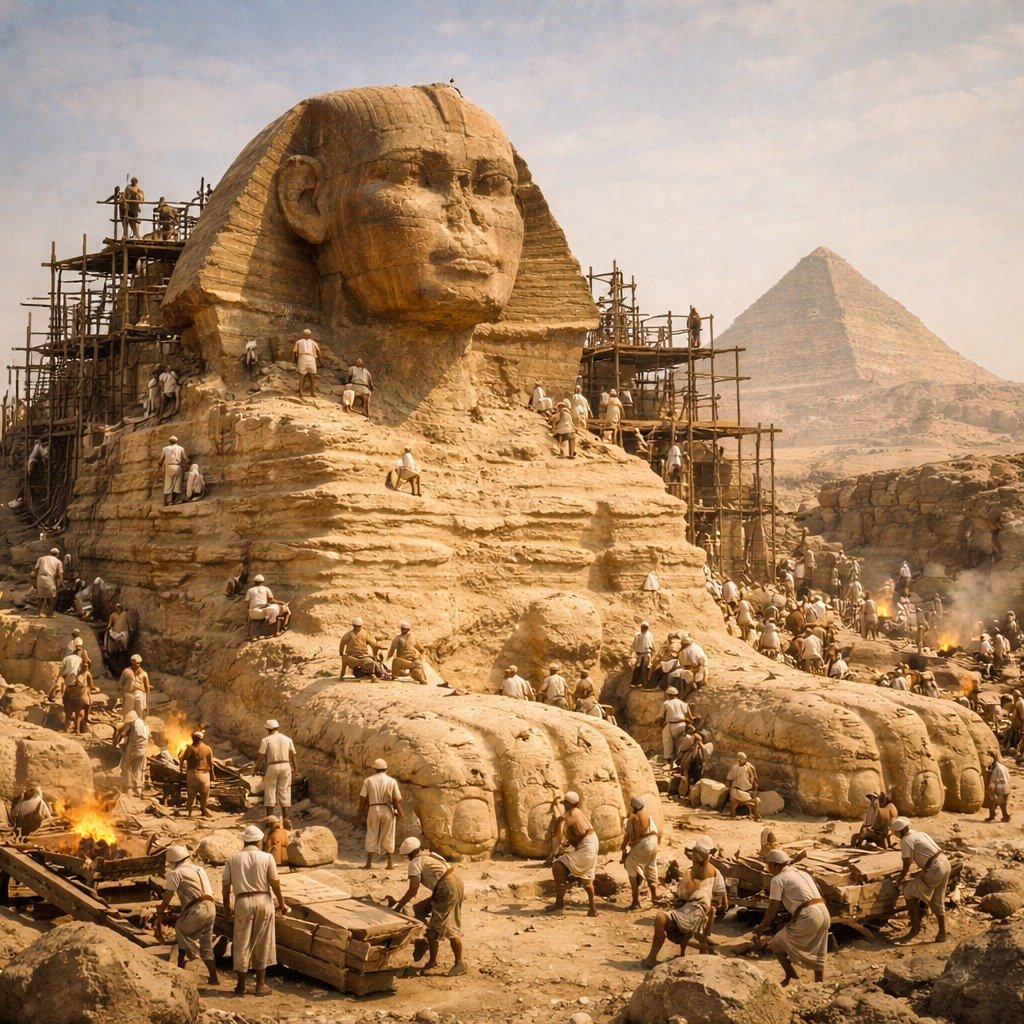
What truly sets the Great Sphinx apart is the audacity of its engineering: unlike the pyramids, which were built block by block, the Sphinx was carved directly out of a single ridge of limestone bedrock. It measures an astonishing 73 meters (240 feet) in length and stands 20 meters (66 feet) high. Ancient masons worked with the natural layers of the rock, which vary in hardness; the head was carved from a harder, more durable stratum, helping explain why it is better preserved than the body. The statue unites the physical power of a lion with the wisdom and authority of a human king, crowned with the royal Nemes headdress. Originally, this stone giant was vividly painted—traces of red pigment have been found on the face, and the headdress was likely striped in yellow and blue. Although it has lost its beard and nose over the millennia, the precision of the carving, even in its eroded state, reveals the mastery of ancient Egyptian stonemasons who quite literally shaped a mountain into a god.
An Unforgettable Story
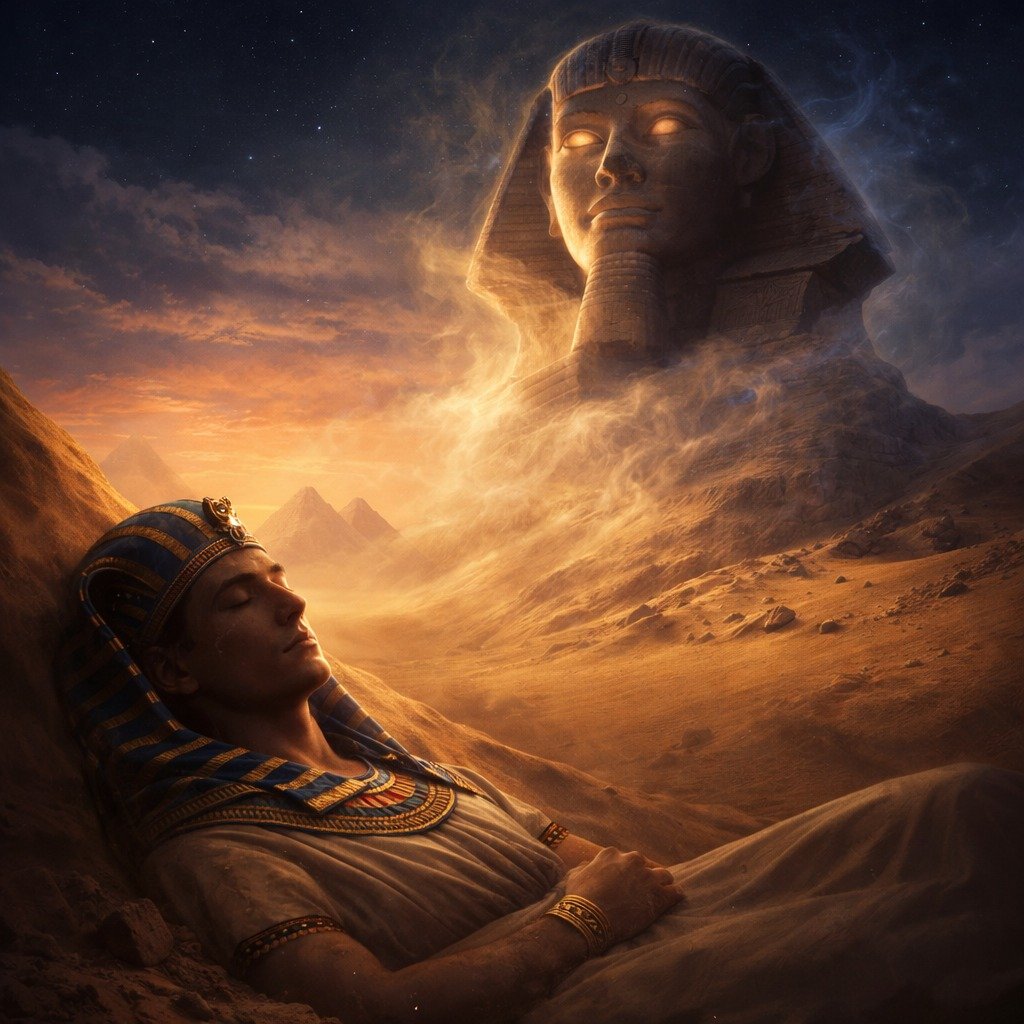
One of the most captivating tales surrounding the Sphinx dates to the New Kingdom, more than a thousand years after its creation. It tells of a young prince named Thutmose IV, who was not originally destined for the throne. While hunting in the desert, the prince grew tired and fell asleep in the shadow of the Sphinx’s head—the only part then visible above the sand. In a dream, the Sphinx spoke to him, promising the crown of Upper and Lower Egypt if he would clear away the suffocating sands. Thutmose obeyed, excavating and restoring the monument. In time, the prophecy came true, and he ascended the throne as pharaoh. To commemorate this divine pact, he erected the famous Dream Stele, a granite slab that still stands between the Sphinx’s front paws today. This remarkable artifact not only records a royal vision but also represents one of the earliest documented acts of monument restoration in history.
Mysteries & Secrets
The Great Sphinx is inseparable from mystery. Despite centuries of study, it continues to guard many unanswered questions. The most famous concerns the missing nose. While popular legend blames Napoleon’s soldiers, drawings from before his Egyptian campaign show the damage already done. Many historians believe the nose was deliberately destroyed in the 14th century by a Sufi iconoclast who objected to the veneration of the statue.
There has also been long-standing speculation about what may lie beneath the Sphinx. Legends speak of hidden chambers or a mythical “Hall of Records” containing ancient wisdom. While no secret library has ever been found and deep excavations are restricted to protect the monument, the persistence of these theories keeps the Sphinx firmly rooted in the realm of wonder. It remains a puzzle in stone, inviting every visitor to imagine what truths may still lie buried beneath the bedrock.
Visitor Experience
Encountering the Sphinx in person is a surreal experience that no photograph can fully capture. As you descend the causeway from Khafre’s pyramid, the perspective shifts, and the statue seems to rise organically from the earth. The official viewing path runs along the side of the monument, allowing you to walk parallel to its massive flank and appreciate the full length of its body.
The atmosphere on the plateau is electric, filled with travelers from across the world. Yet, amid the crowds, moments of quiet awe still emerge—especially when the call to prayer drifts over from the city below. Up close, you can study the limestone layers and erosion patterns that silently record thousands of years of exposure. It is a place to pause, breathe in the dry desert air, and stand in the presence of a guardian that has watched humanity for forty-five centuries.
Quick Facts
Location: Giza Plateau, Greater Cairo, Egypt
Status: UNESCO World Heritage Site (part of Memphis and its Necropolis)
Age: Approximately 4,500 years old (built c. 2500 BCE)
Dimensions: 73 m (240 ft) long, 20 m (66 ft) high, 19 m (62 ft) wide
Builder: Generally attributed to Pharaoh Khafre
Material: Carved from natural limestone bedrock