Petra and the Nabataeans: Inside the Desert City Carved from Stone
Petra does not announce itself. It waits behind cliffs of rose-red sandstone, hidden deep within a desert valley shaped by wind, water, and time. What appears today as a monumental archaeological site was once the thriving capital of the Nabataean Kingdom—a people who carved their identity directly into the mountains. Petra’s façades, temples, and tombs remain among the most evocative expressions of ancient craftsmanship in the region. Exploring the city feels like stepping into a place shaped simultaneously by geology and human ambition.
A Glimpse into History
Architectural Marvels
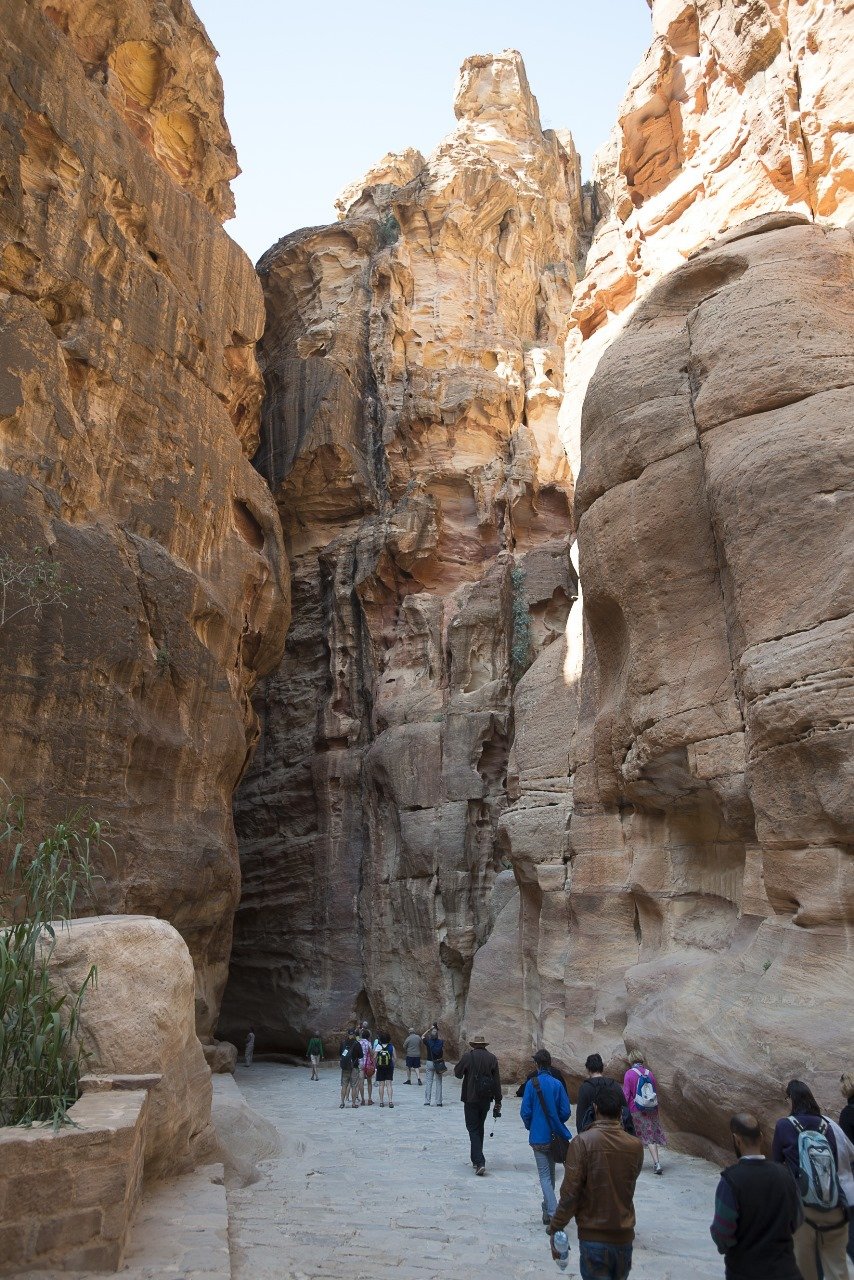
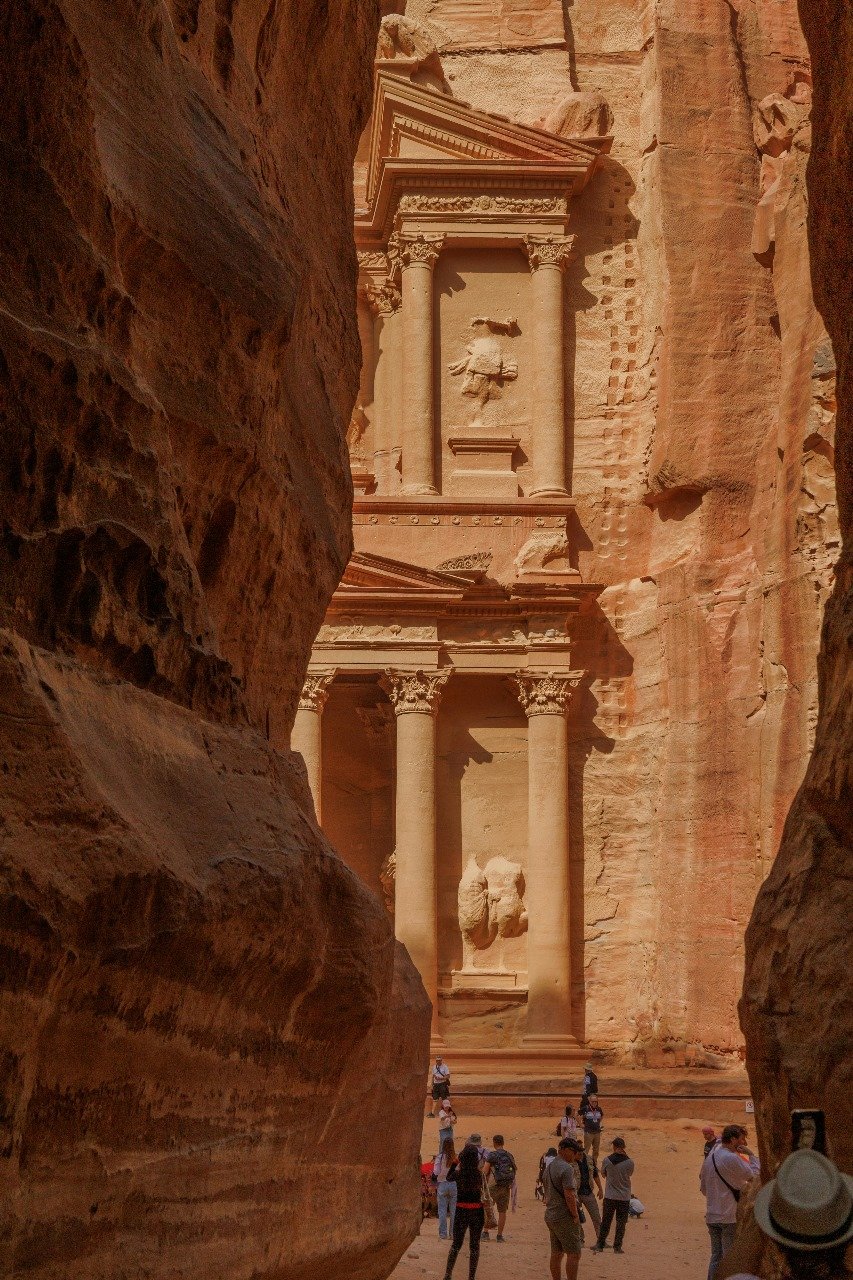
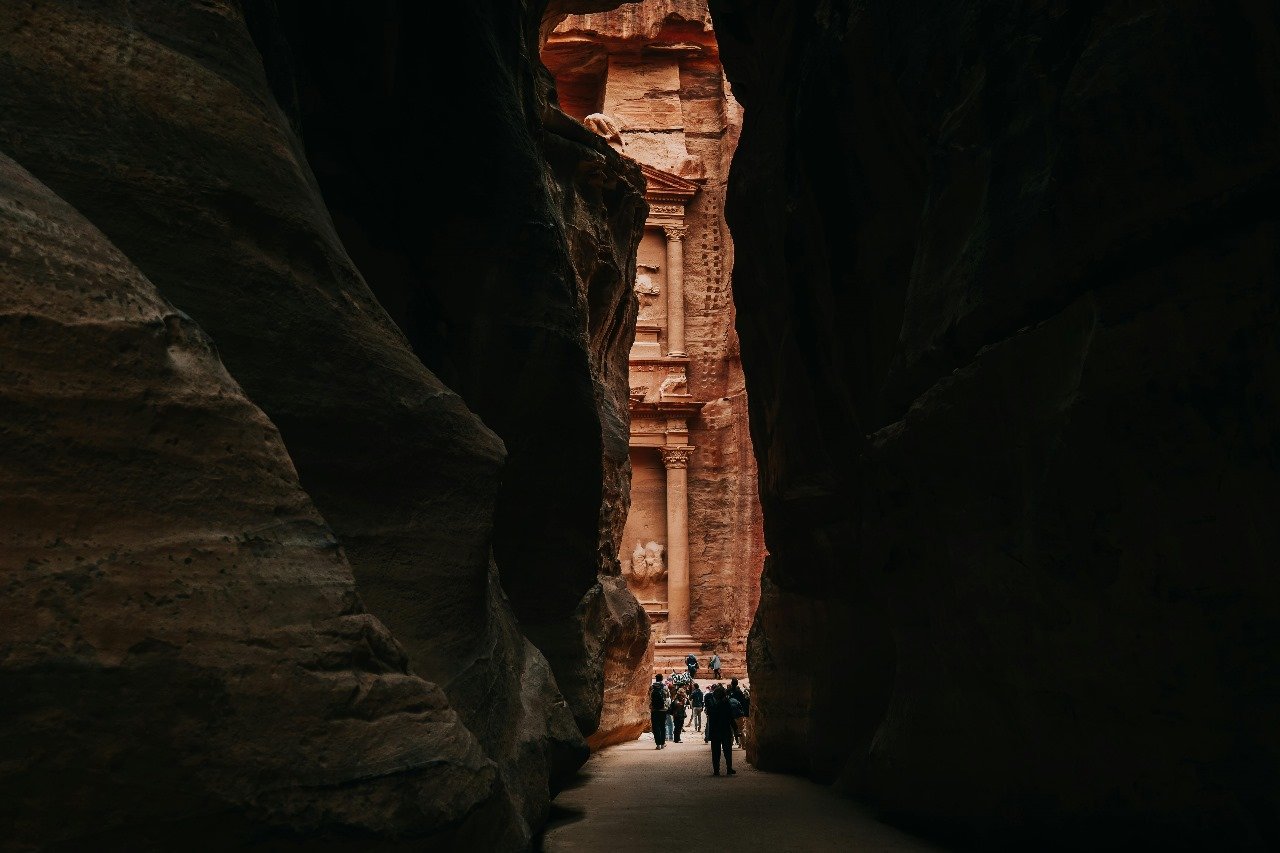
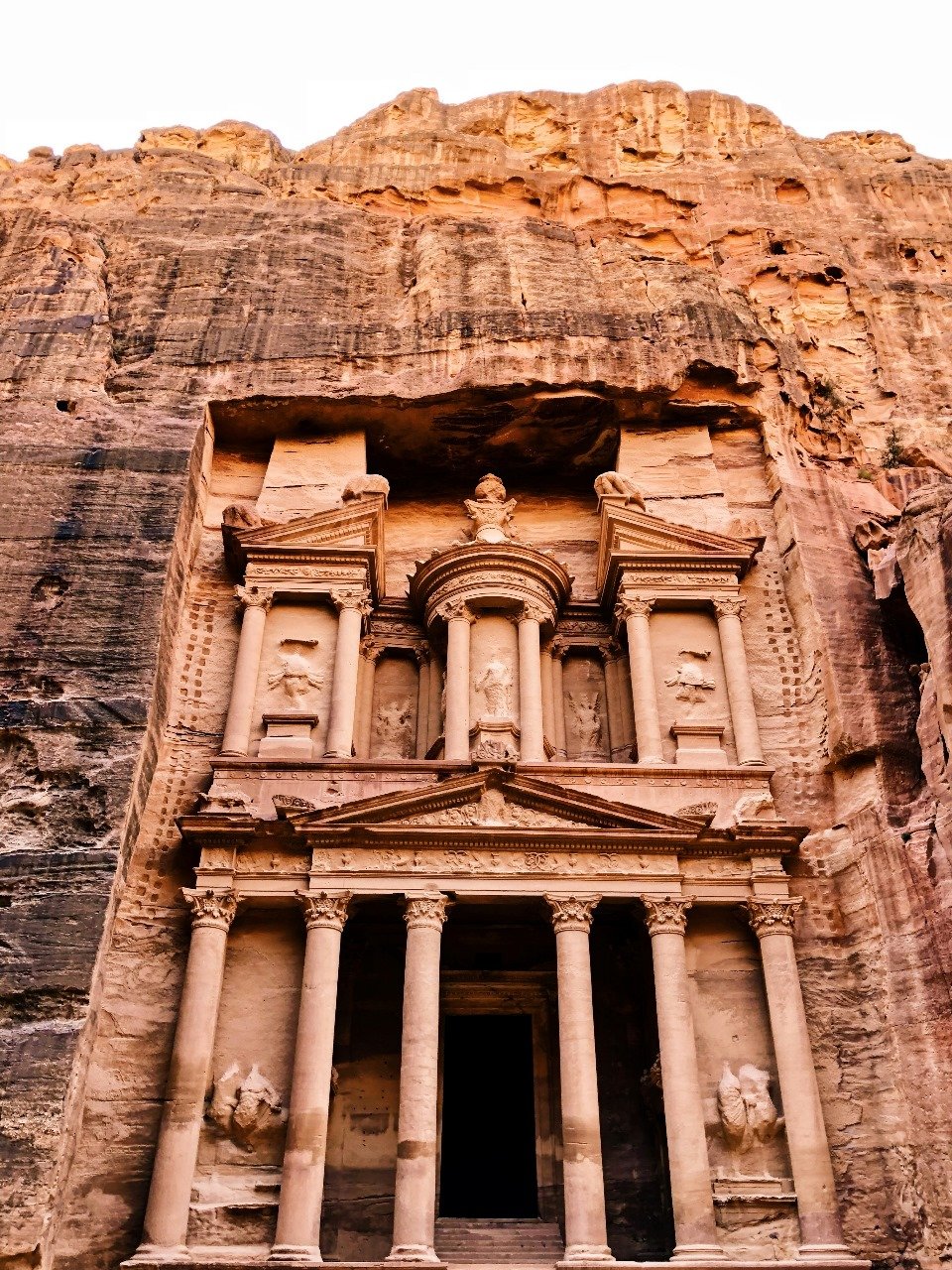
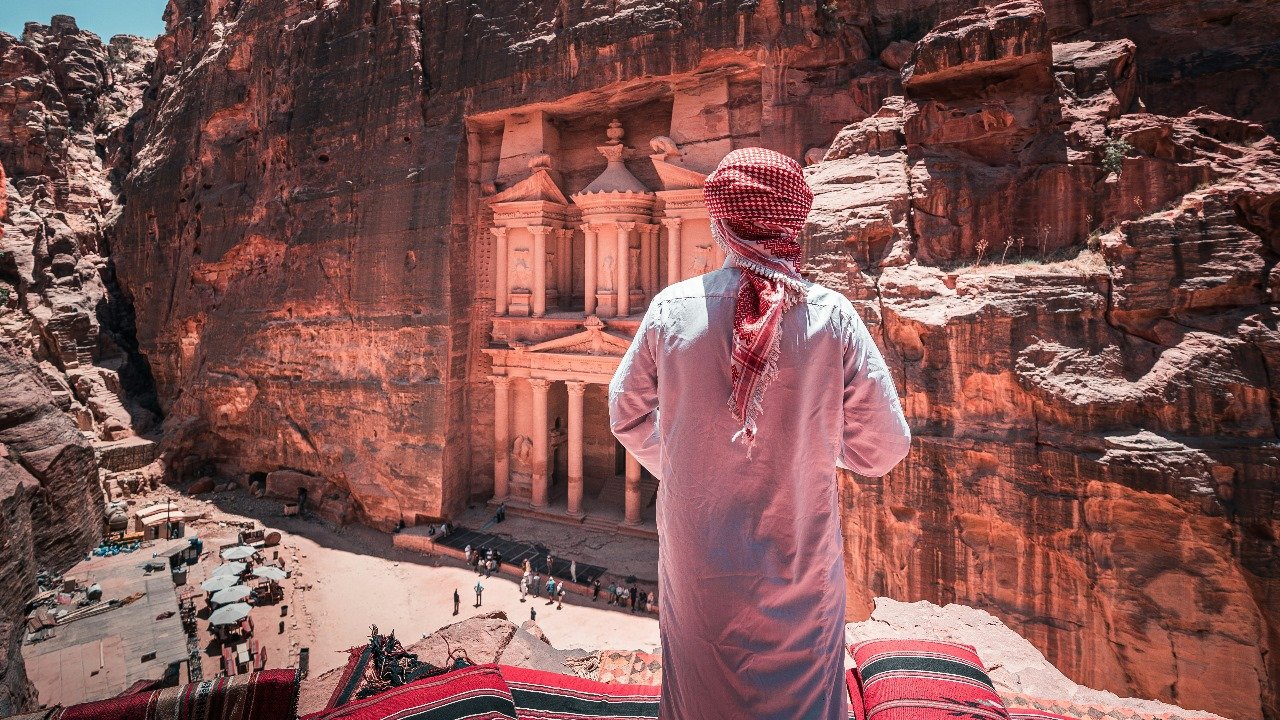
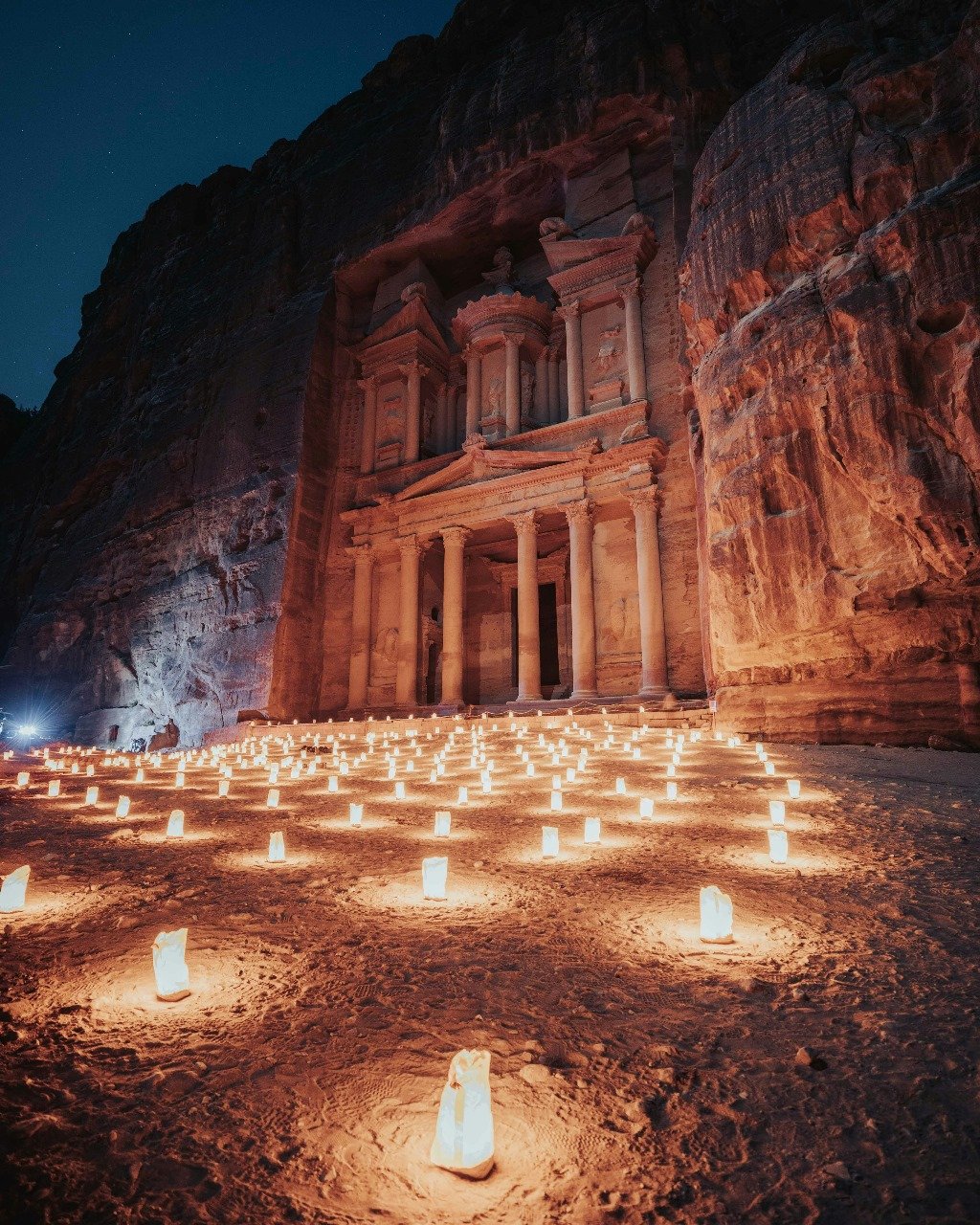
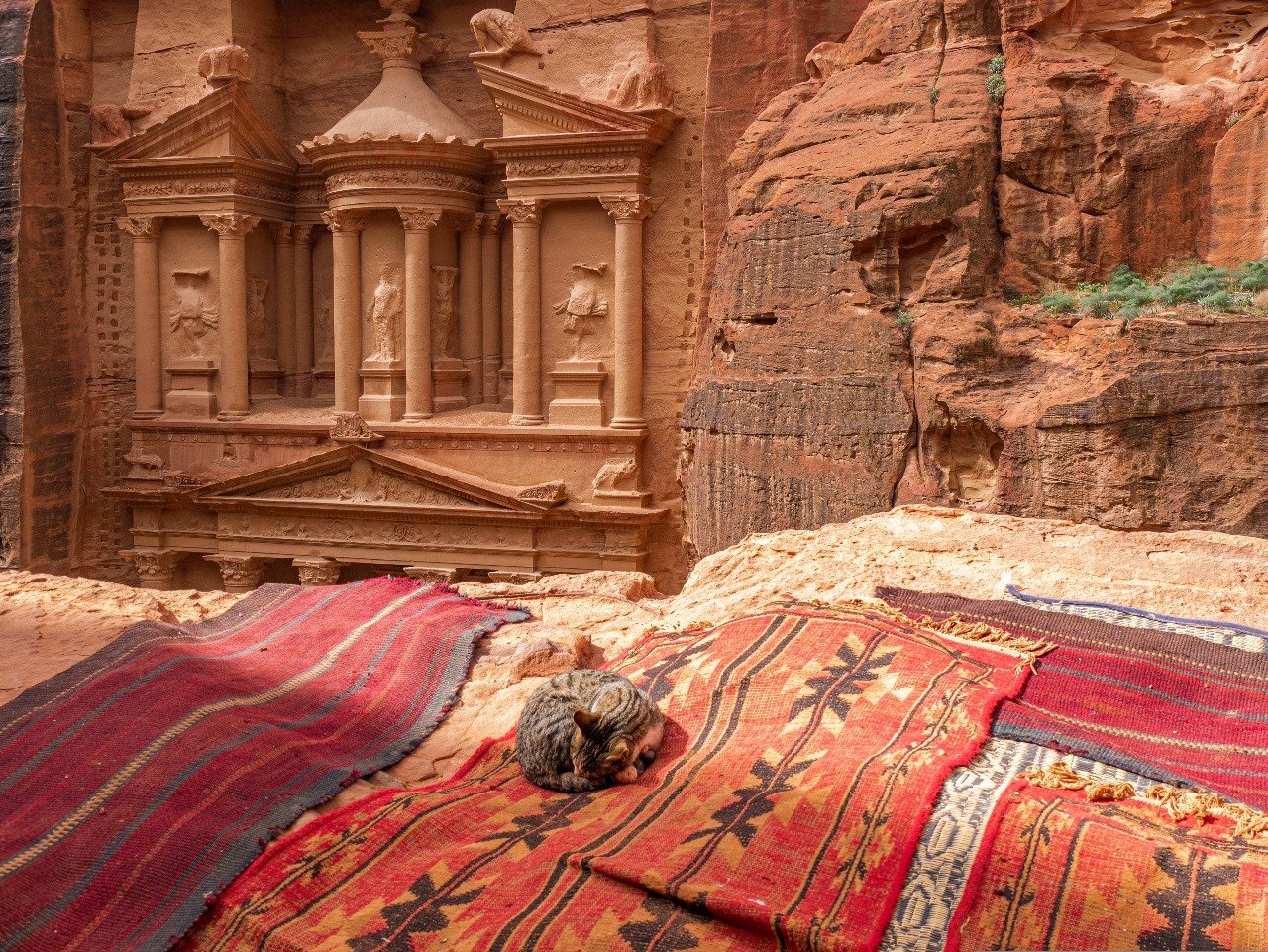
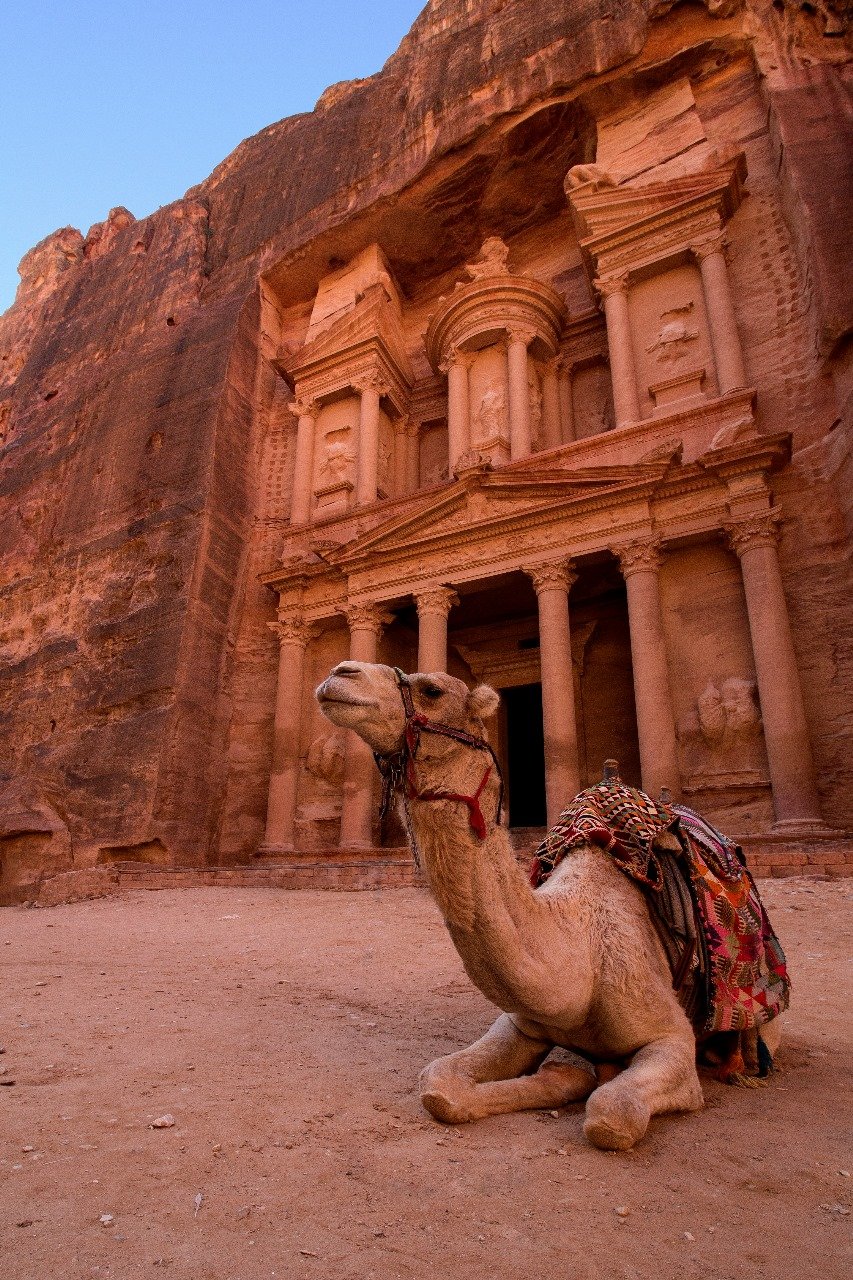
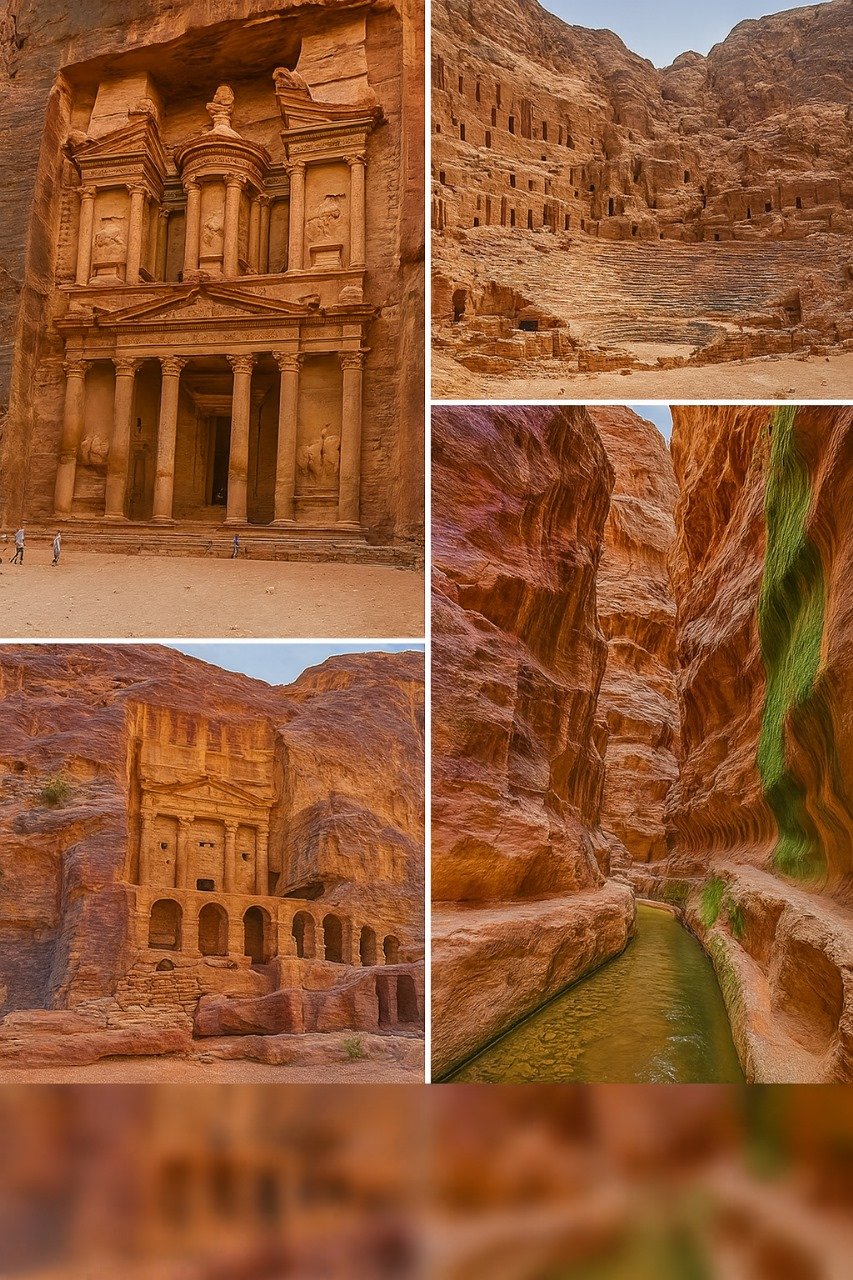
Petra’s architecture blends natural landscape and human craftsmanship so seamlessly that the two are often indistinguishable. The Nabataeans used the cliffs themselves as their medium, carving monumental façades rather than constructing freestanding structures. Al-Khazneh (The Treasury) The city’s most recognizable monument stands at the end of the Siq, carved in extraordinary detail into a sheer rock face. Its 40-meter façade hints at Hellenistic influence yet remains distinctly Nabataean in its architectural language. Although most scholars consider it a royal tomb, its exact function remains debated. The Street of Facades and the Theater Continuing beyond the Treasury, a canyon wall reveals rows of rock-cut tombs, followed by a fully carved theater capable of seating thousands. These structures illustrate Petra’s combination of civic spaces and commemorative architecture. Royal Tombs The extensive cluster of tombs known as the Royal Tombs—such as the Urn Tomb and Silk Tomb—demonstrates the range and sophistication of Nabataean design, with façades that shift color dramatically in changing light. Water Engineering Petra’s water system remains one of its most remarkable features. Through channels, dams, and strategically placed cisterns, the Nabataeans captured seasonal rainwater and redirected flash floods, enabling a sustainable urban population in an arid climate.
Discovery and Research
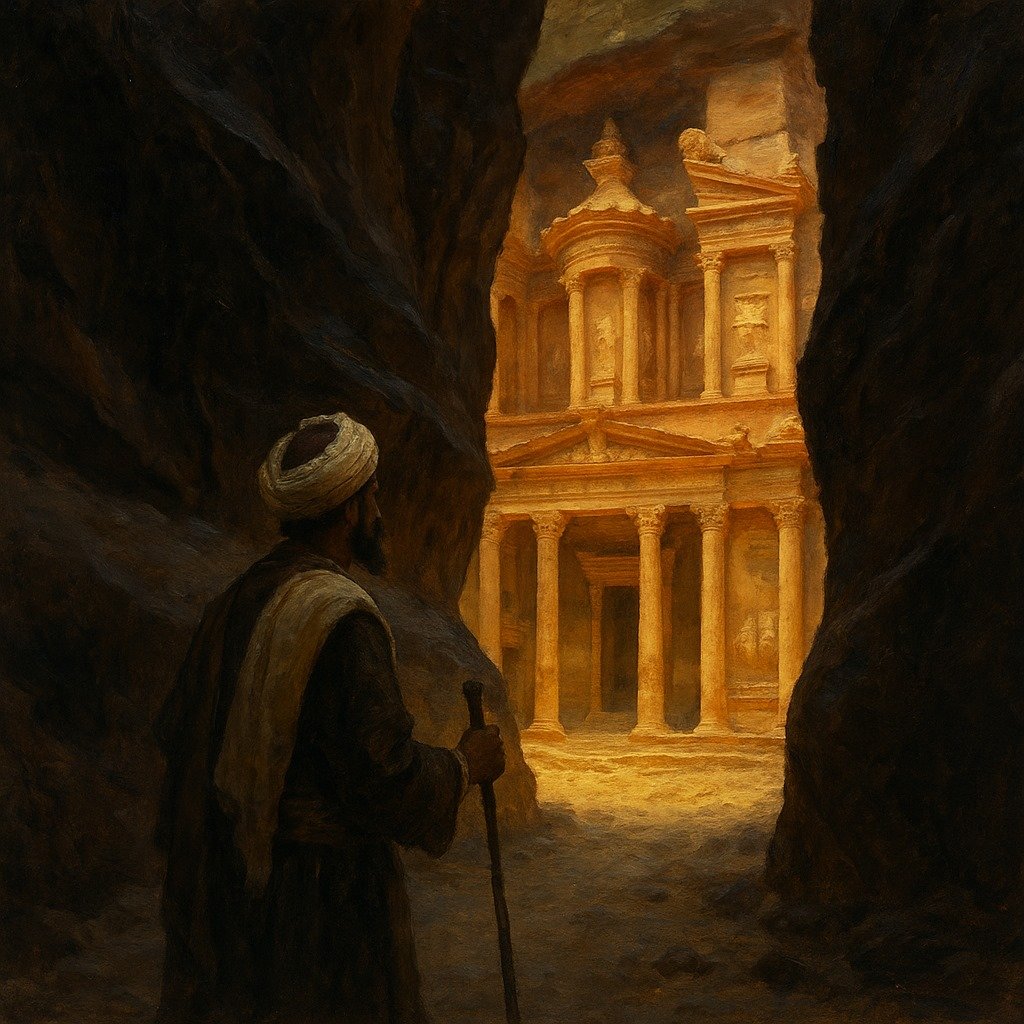
For centuries after its decline, Petra remained known locally but unnoticed by the wider world. That changed in 1812, when Johann Ludwig Burckhardt, a Swiss explorer traveling under the name Sheikh Ibrahim, learned of ruins hidden in the mountains near the supposed tomb of Aaron. Hoping to confirm their location, he adopted local customs, mastered Arabic, and persuaded a guide to take him through the Siq under the pretext of making a pilgrimage. When the narrow canyon opened to reveal the Treasury, Burckhardt recognized he had reached the city long absent from Western records. His account drew new scholarly attention, ultimately placing Petra back into global historical consciousness.