Inside Khufu’s Pyramid: Journey to the Heart of Giza’s Greatest Monument
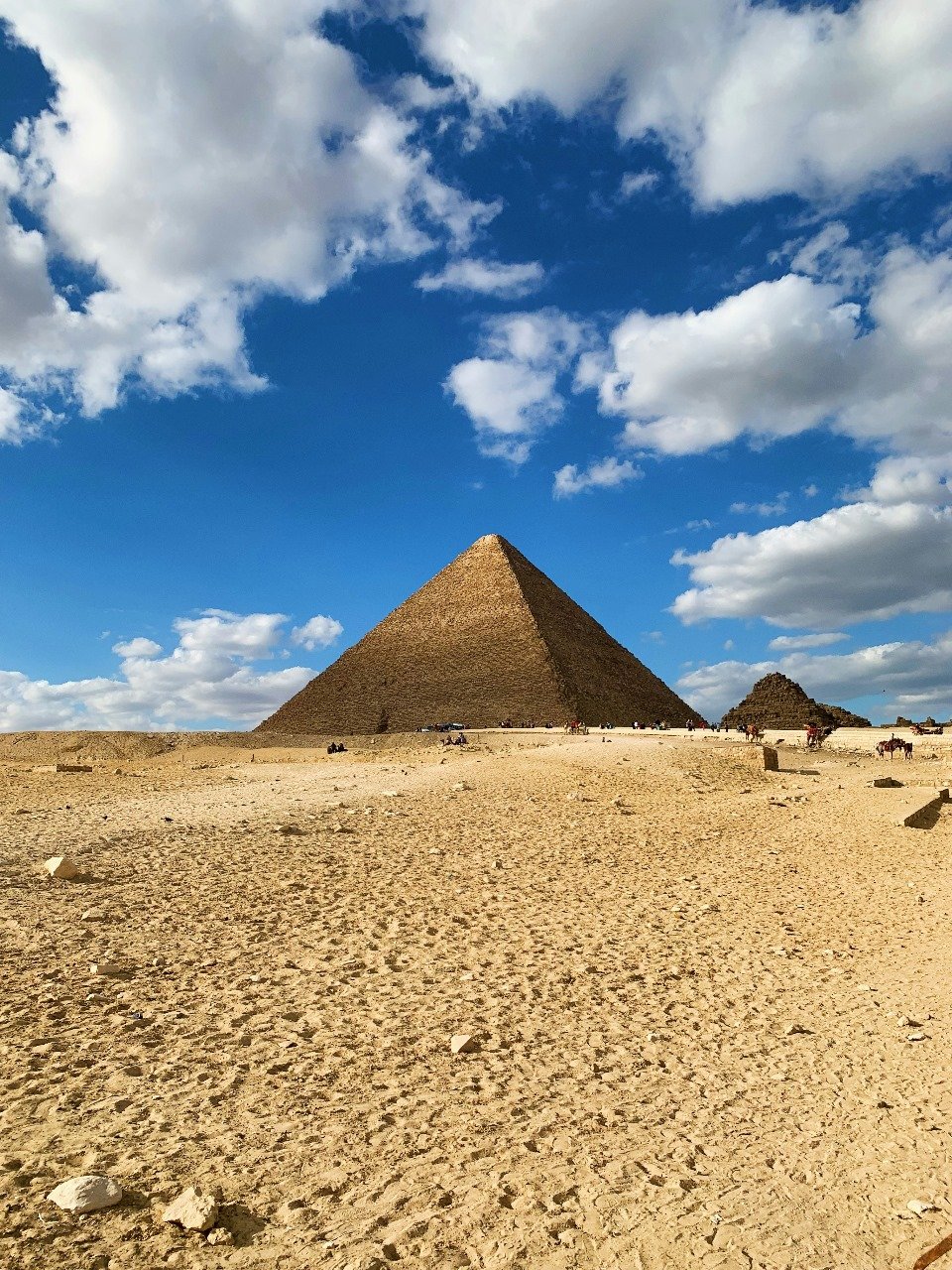
Stand before the Great Pyramid of Khufu, and you are not just looking at a monument—you are gazing at 4,500 years of human history. The last surviving Wonder of the Ancient World, this colossal tomb was built for Pharaoh Khufu, whose ambition reshaped the desert skyline forever. Rising from the legendary Giza Plateau, the Great Pyramid is the largest and most awe-inspiring of the Giza pyramids. It remains a masterpiece of ancient engineering, a labyrinth of hidden chambers, and a timeless testament to Egypt’s Old Kingdom. To visit Khufu’s Pyramid is to walk in the footsteps of pharaohs, explorers, and dreamers—an encounter with eternity itself.
A Glimpse into History
Architectural Marvels
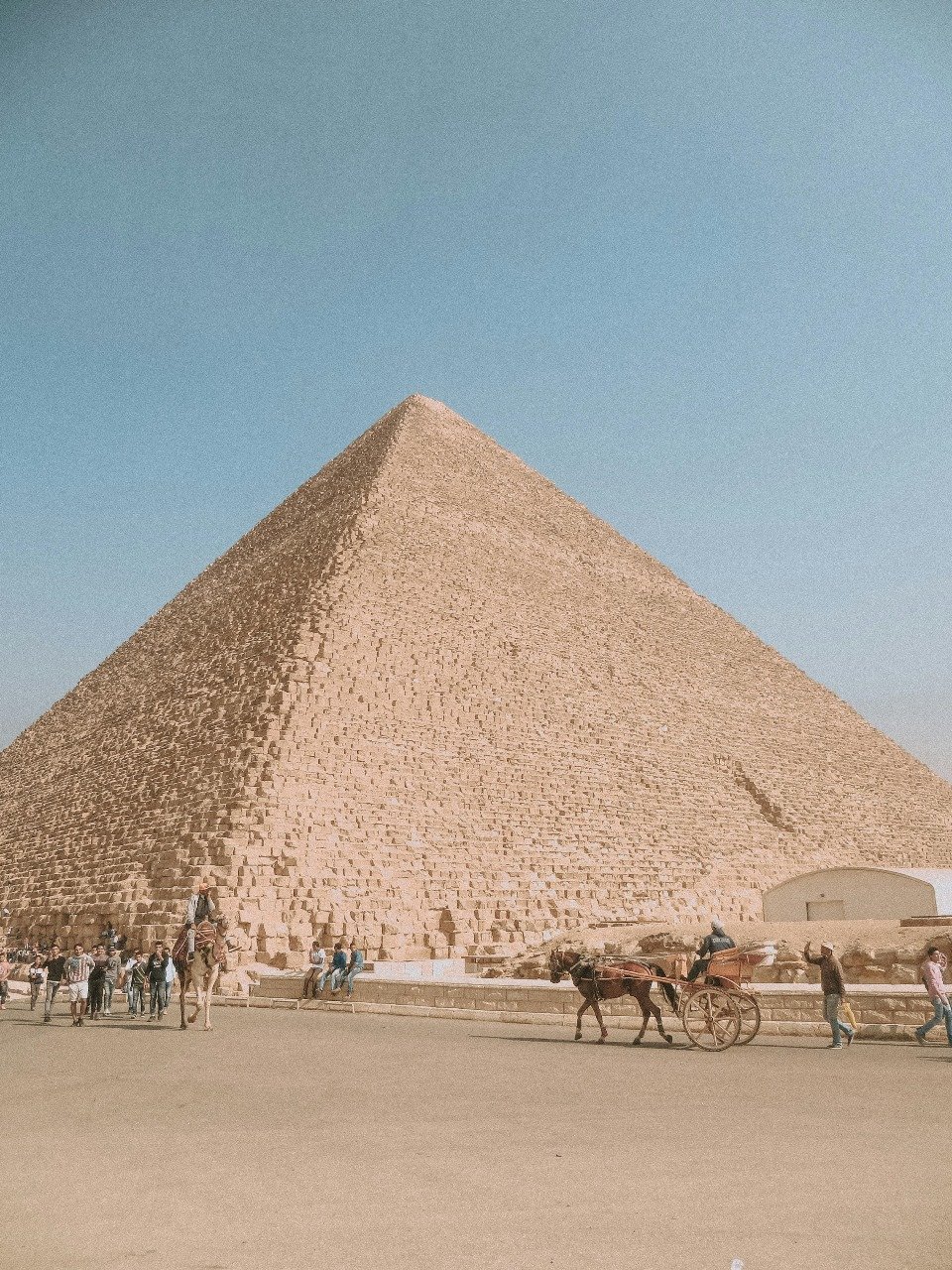
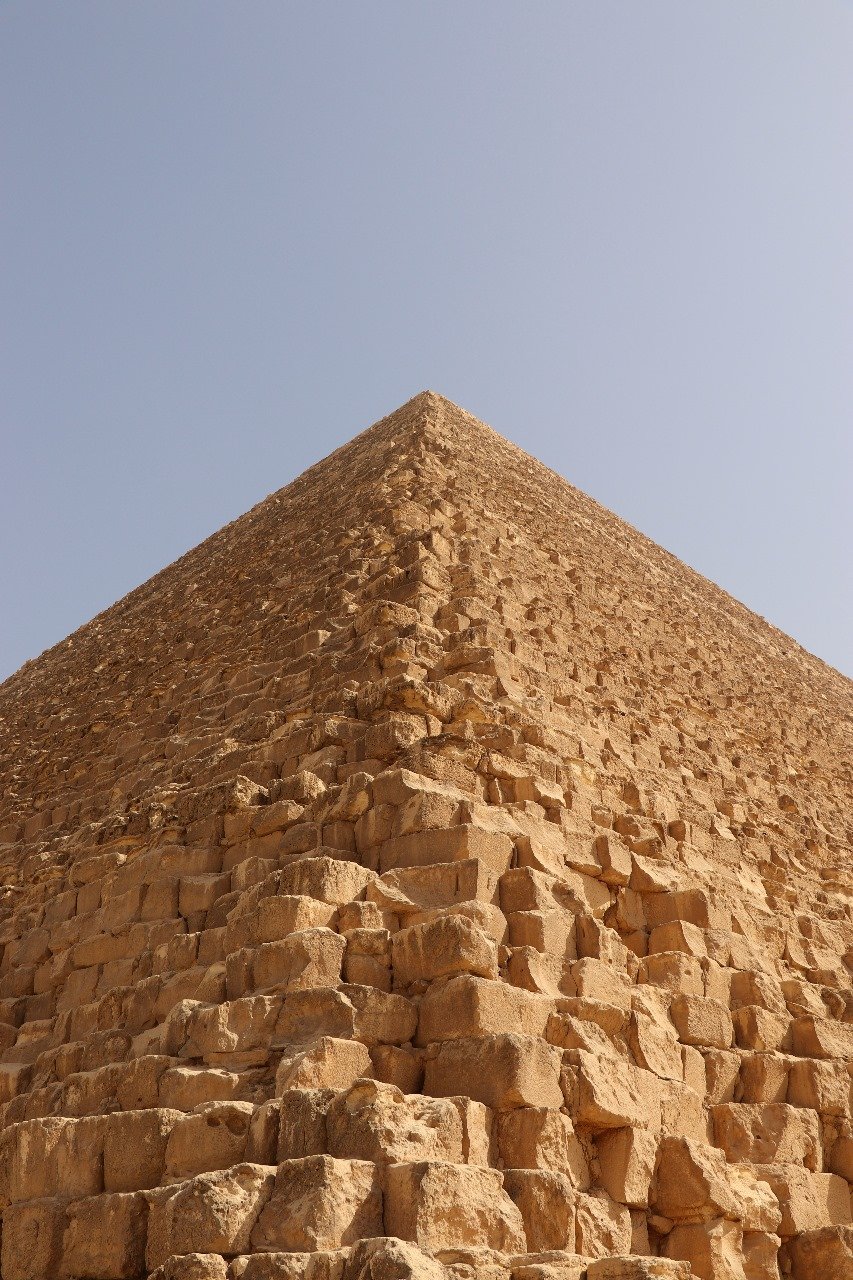
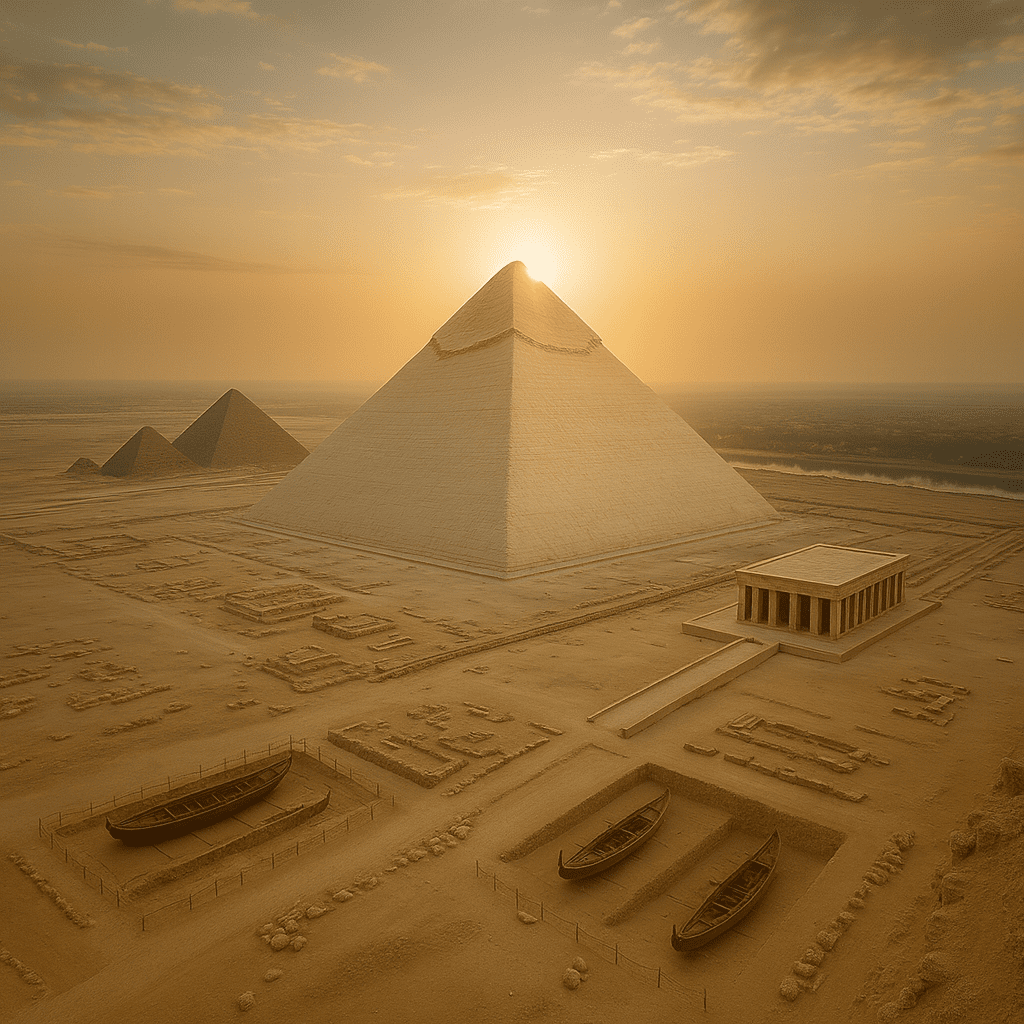
The scale of Khufu’s Great Pyramid is staggering. Built from an estimated 2.3 million limestone and granite blocks, some weighing up to 70 tons, it held the record as the tallest man-made structure on Earth for nearly 3,800 years. Once encased in smooth white Tura limestone that gleamed brilliantly under the Egyptian sun, the pyramid must have been visible for miles. Inside lies a maze of narrow corridors and chambers: a descending passage into the bedrock, an unfinished subterranean chamber, and the mysterious Queen’s Chamber. The Grand Gallery, an astonishing corbelled corridor, rises toward the King’s Chamber—its massive red-granite beams still perfectly aligned after millennia.
Discovery and Research
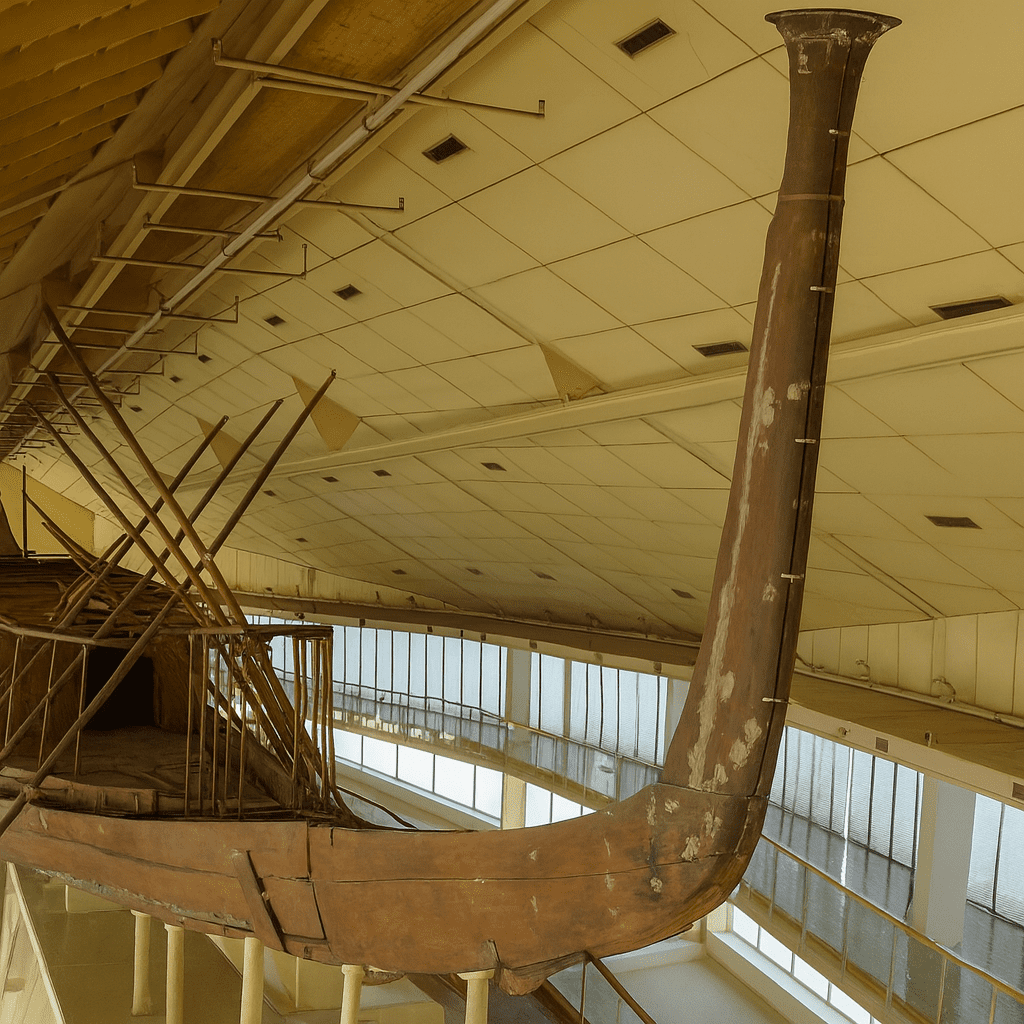
While the Great Pyramid has stood for over four millennia, discoveries continue to reshape our understanding of it. In 1954, archaeologist Kamal el-Mallakh uncovered a sealed pit at the base of the pyramid containing more than 1,200 pieces of a full-sized solar barque, now known as the Khufu Ship. This 143-foot-long cedarwood vessel is an extraordinary example of ancient Egyptian shipbuilding. It has been carefully reassembled and transferred to the Grand Egyptian Museum, where it is undergoing conservation ahead of public display once the museum fully opens. More recently, the ScanPyramids Project—a scientific initiative launched in 2015—has used cosmic-ray muon tomography to peer inside the structure without disturbing it. The team confirmed a previously unknown North-Face Corridor and identified a vast hidden cavity, the so-called Big Void, directly above the Grand Gallery. Its purpose remains unknown, preserving one of Egypt’s most tantalizing mysteries.