Eiffel Tower Paris: How the Iron Lady Conquered the World
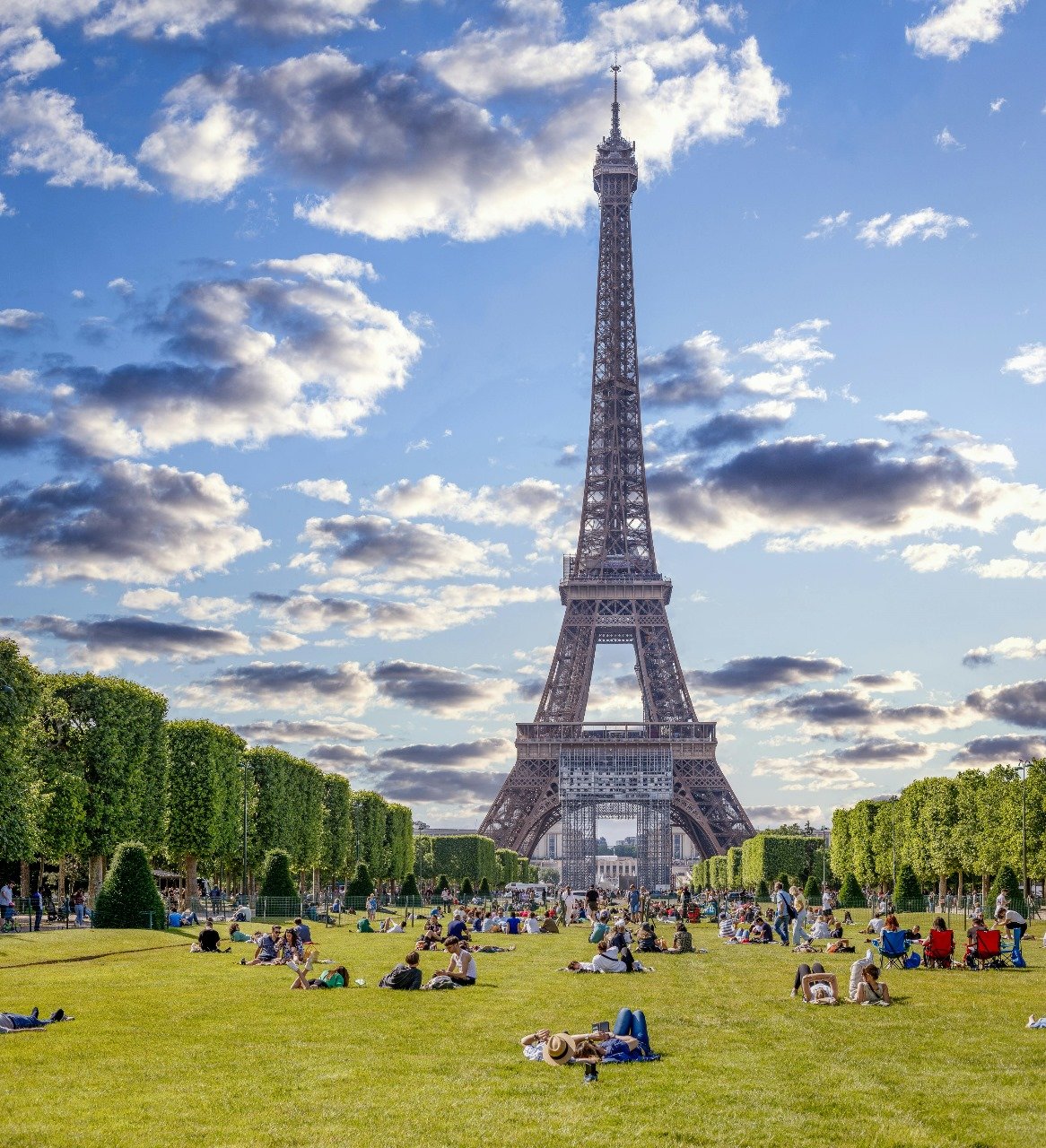
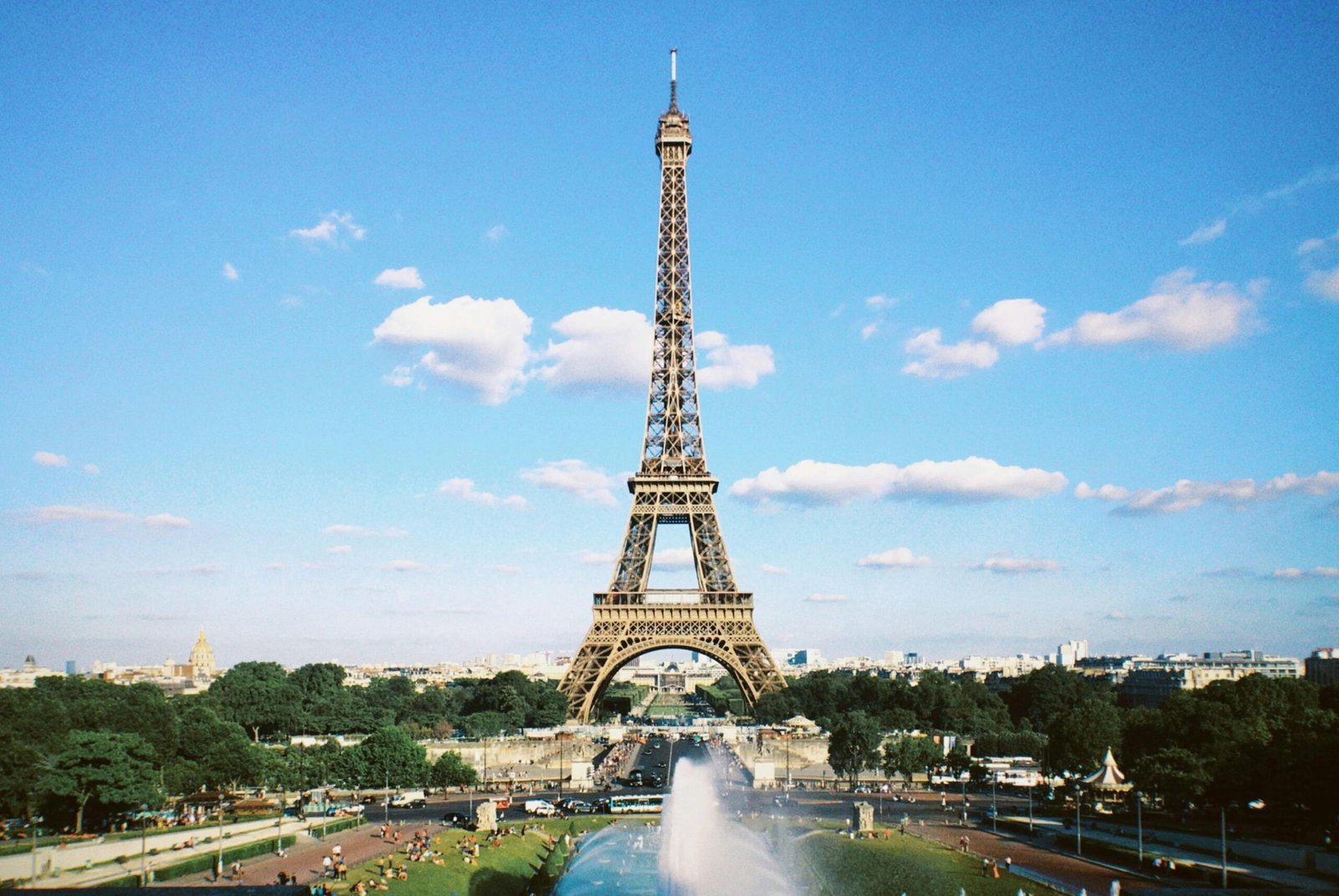
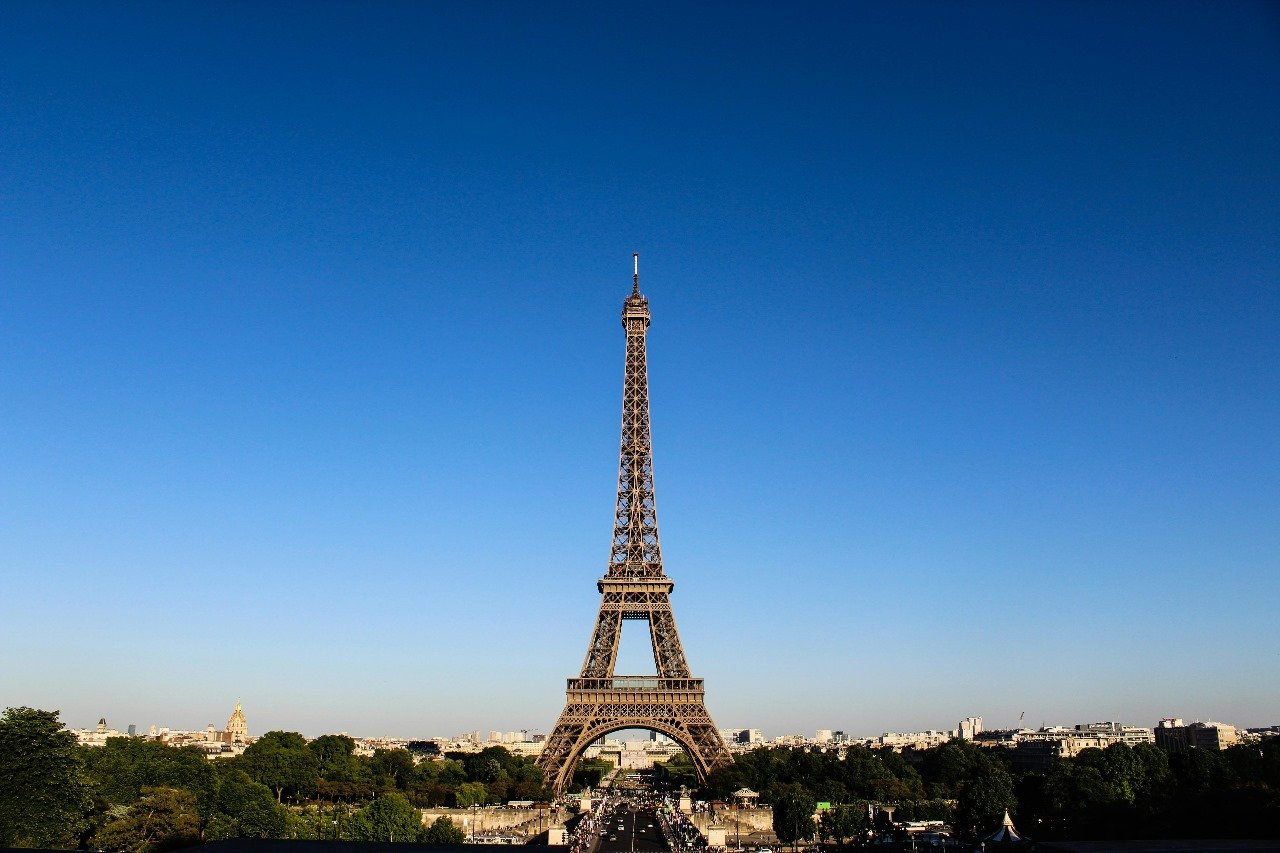
The Eiffel Tower is not just a monument—it is the living soul of Paris, a soaring iron emblem of romance, art, and human ingenuity. Standing at its base and gazing up through the intricate lattice of metal, you witness a structure that once defied belief. Built as a temporary marvel for the 1889 World’s Fair, critics dismissed it as a “tragic lamppost.” Yet, this audacious creation outlasted its detractors to become the most recognized silhouette on Earth.
A visit to the Eiffel Tower Paris experience is more than a stop on your itinerary—it’s a journey through history, innovation, and the dream that the impossible can be built. A trip to Paris is incomplete without ascending its heights and letting the City of Light unfurl beneath your feet.

A Glimpse into History
Architectural Marvels
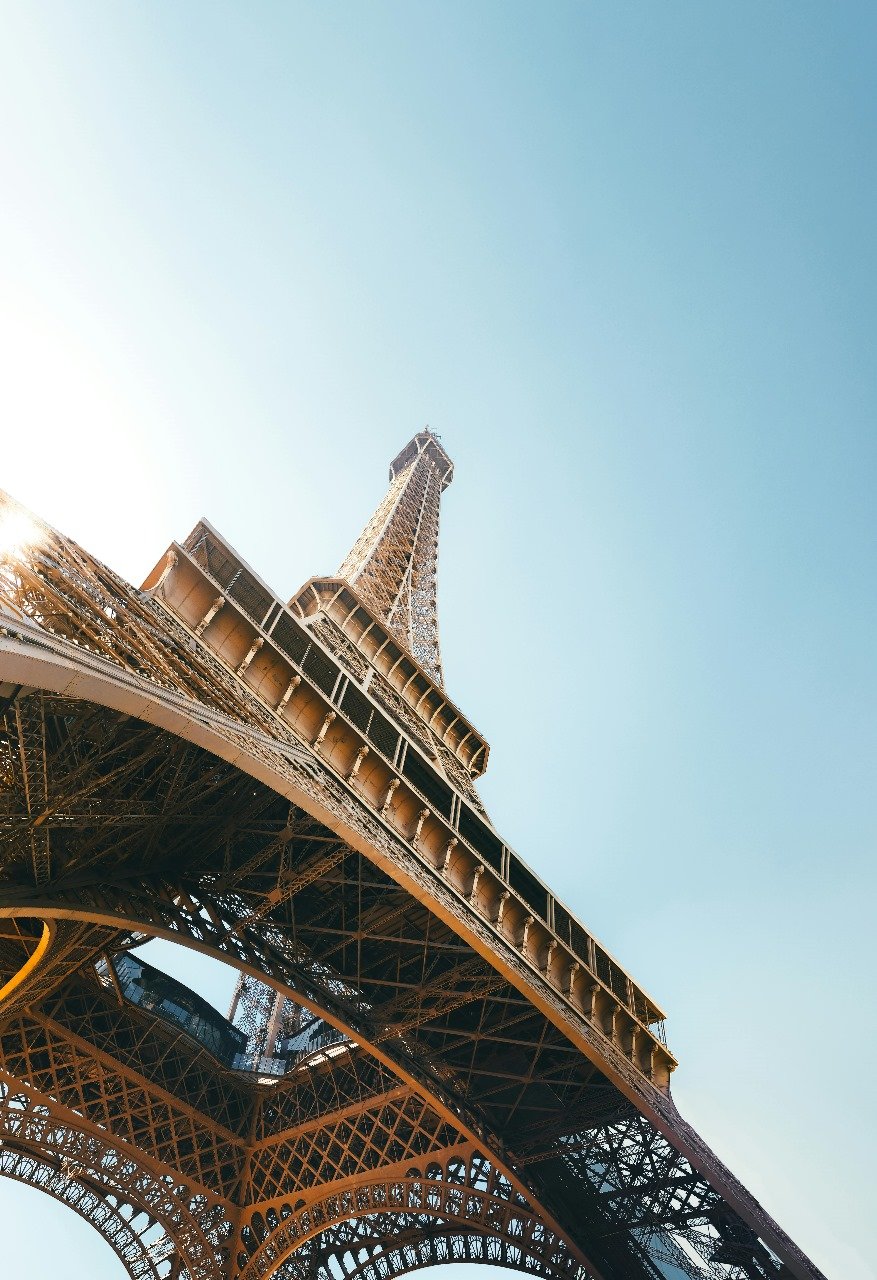
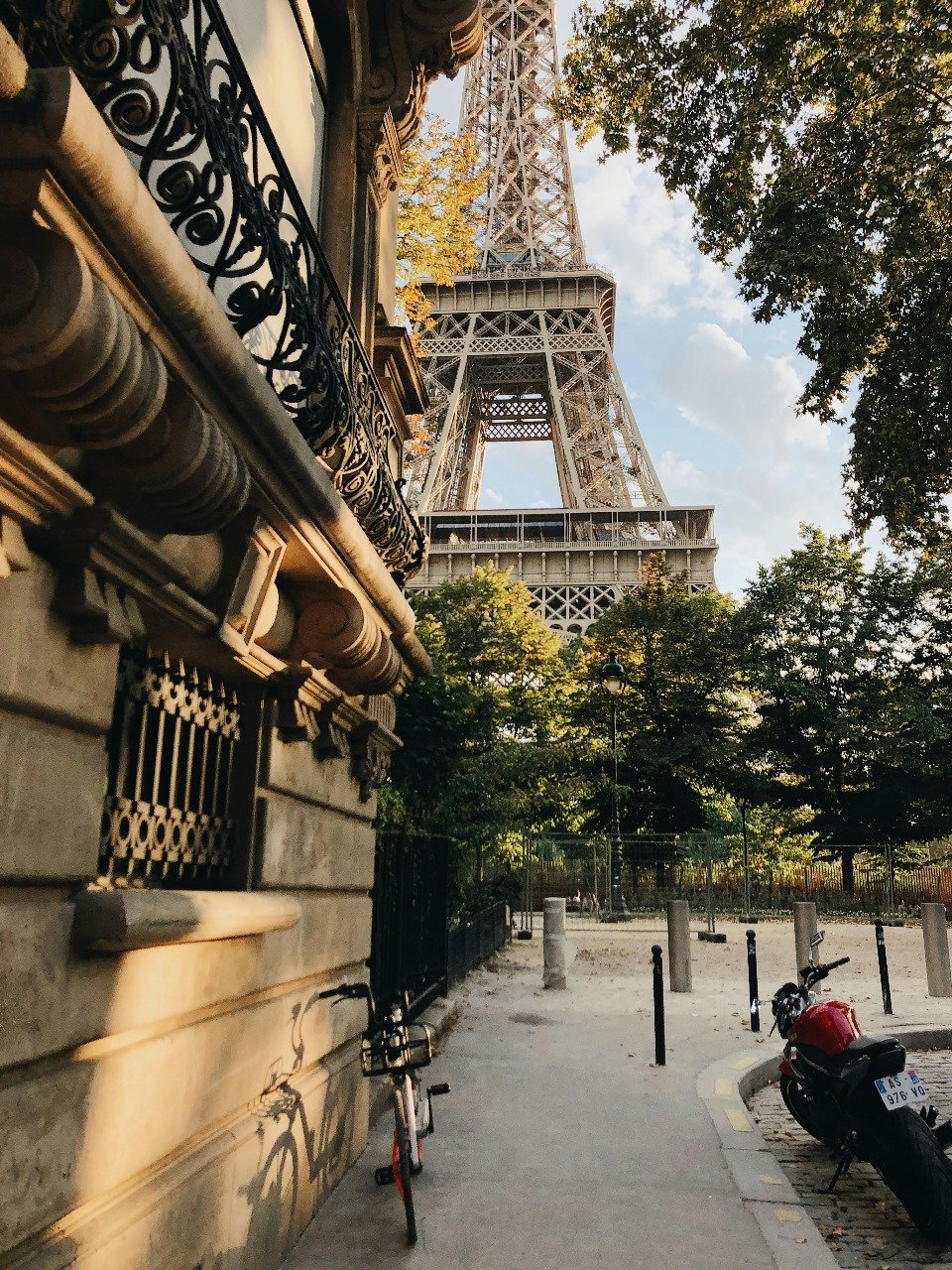
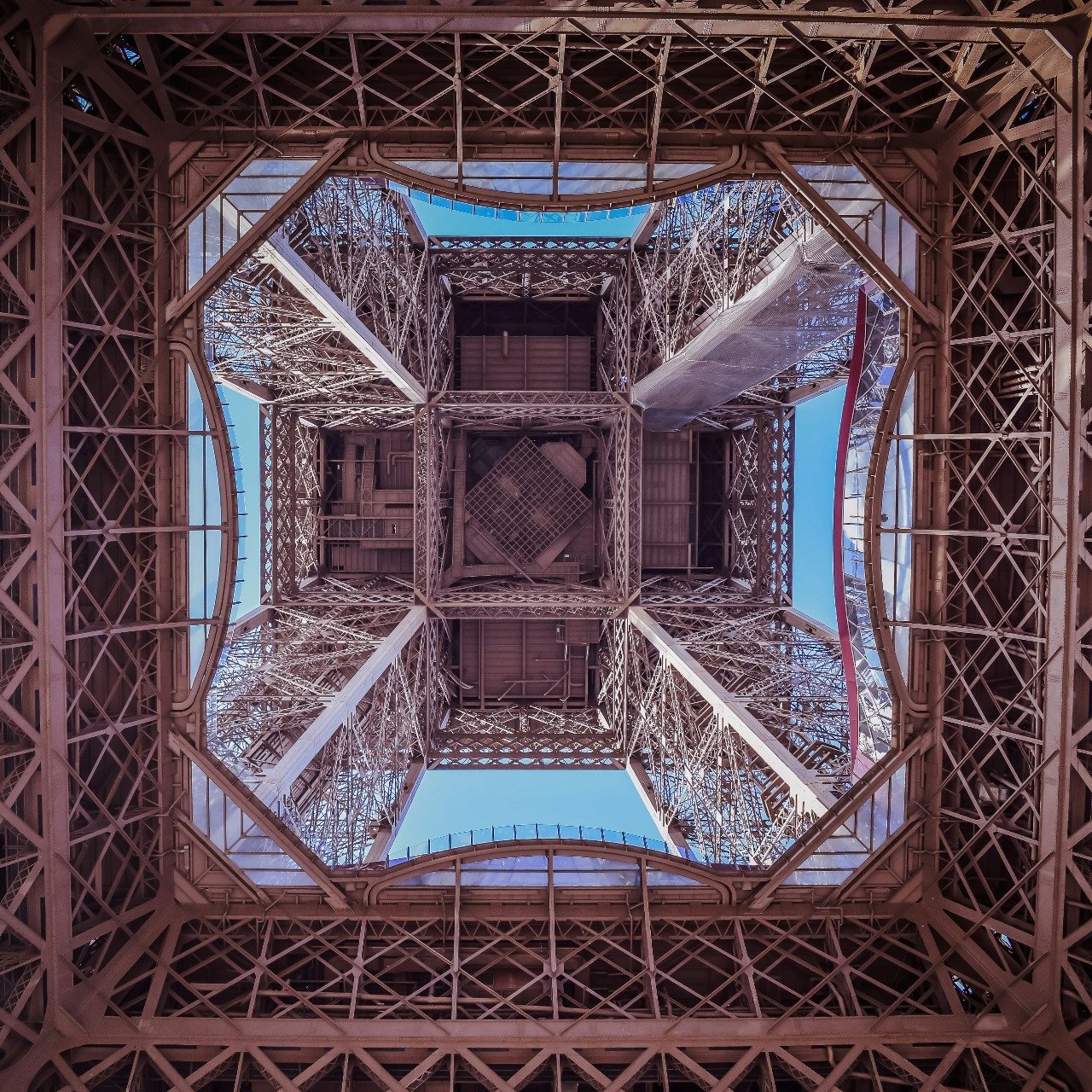
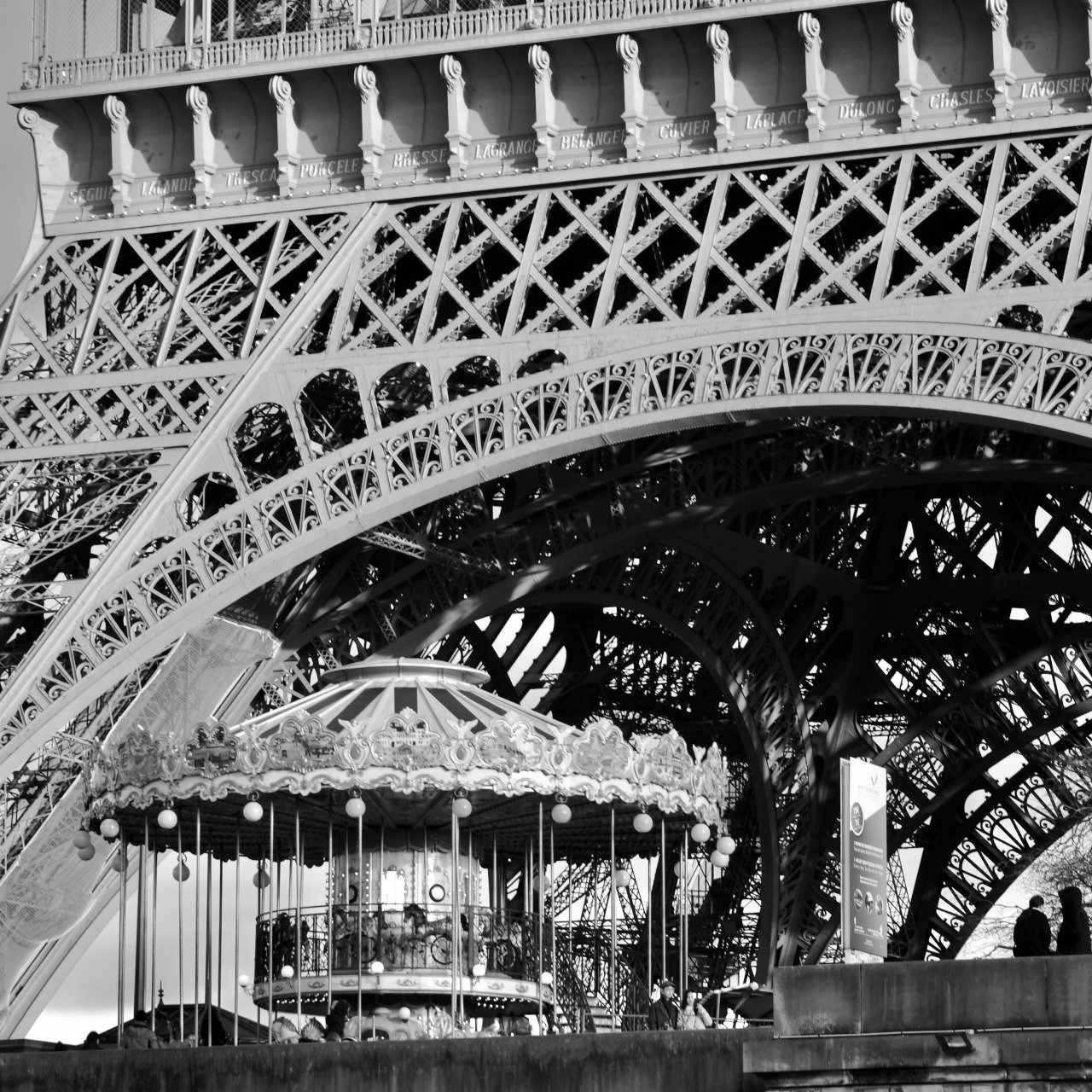
The Eiffel Tower’s architecture is a masterpiece of form and function. Its beauty lies not in ornament, but in engineering elegance. Eiffel’s deep knowledge of bridge design allowed him to create a structure that was both incredibly strong and remarkably light. Composed of 18,038 individual wrought-iron pieces joined by 2.5 million rivets, the tower stands on four vast piers angled inward to form a single tapering pylon. This open-lattice design lets wind pass through effortlessly, ensuring stability. Even in the strongest gales, the summit sways only a few inches—a mathematical dance of strength and grace.
Discovery and Research
Despite its brilliance, the Eiffel Tower was not universally adored at first. France’s artistic elite fiercely opposed it, calling it a “useless and monstrous” scar on Paris’s skyline. A “Committee of Three Hundred” (one for each meter of its height), including author Guy de Maupassant, petitioned for its removal. Originally slated for demolition after twenty years, the tower’s fate changed thanks to Eiffel’s foresight. He promoted its scientific utility, installing meteorological equipment and, crucially, a radio antenna. When it proved vital for long-distance communication, its demolition was canceled. The Iron Lady had found her voice—and her permanence.