Colosseum: Rome’s Eternal Arena of Power and Spectacle

The Colosseum is the defining landmark of Rome, a colossal amphitheater that has stood at the heart of the city for nearly two thousand years. More than a ruin, it is a living emblem of the Roman Empire—its ingenuity, ambition, and appetite for spectacle. The moment you stand beneath its arches, you feel the weight of history pressing close. This was the arena where gladiators fought, emperors entertained the masses, and tens of thousands gathered to witness displays of power unlike anything the ancient world had seen. Visiting the Colosseum today is not simply touring a monument; it is stepping into a story that shaped Western civilization.
A Glimpse into History

The Roman Colosseum, originally known as the Flavian Amphitheater, was commissioned by Emperor Vespasian around 70–72 AD and completed under his son Titus in 80 AD. Built using the spoils of war, it rose as a monumental gift to the Roman people—a symbol of imperial generosity and authority.
For centuries, this was the center of Roman entertainment. Crowds of 50,000 to 80,000 spectators filled its tiered seats to watch gladiatorial combat, exotic animal hunts, dramatic executions, and elaborate reenactments. In its earliest years, the arena floor was even flooded to stage mock naval battles. The Colosseum was more than an entertainment venue; it was a political stage where emperors demonstrated their power and secured public loyalty through spectacle.

Architectural Marvels

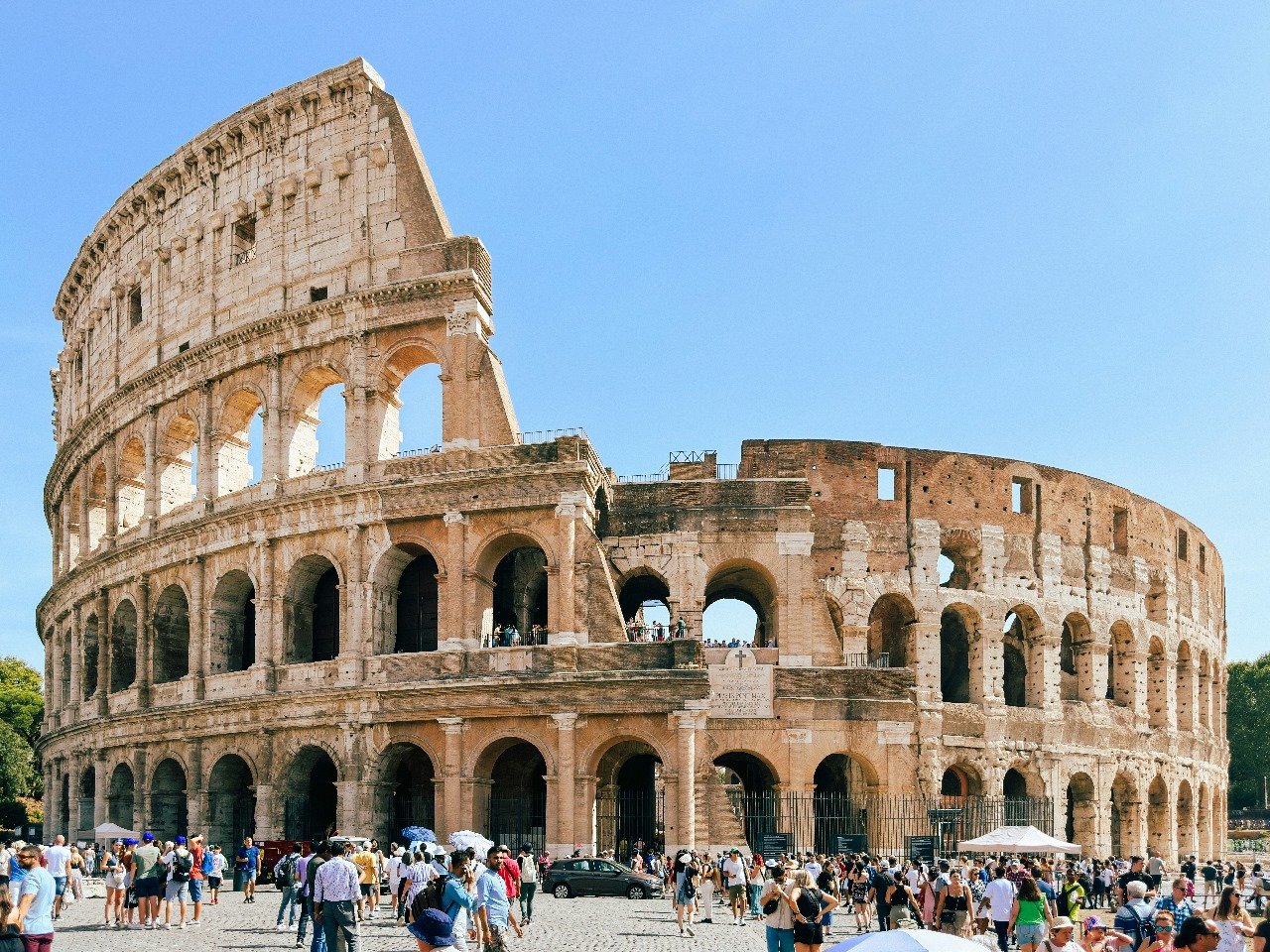
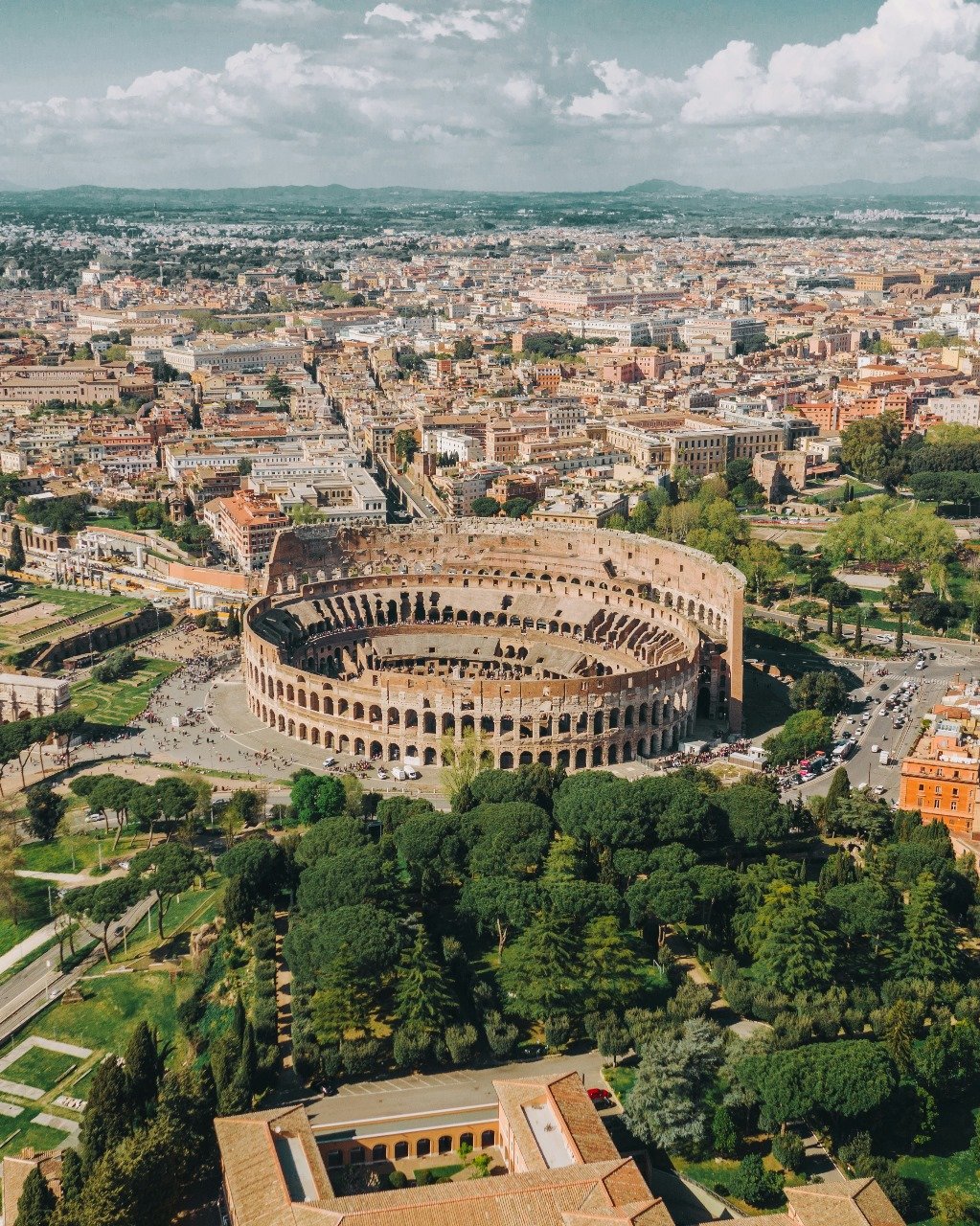
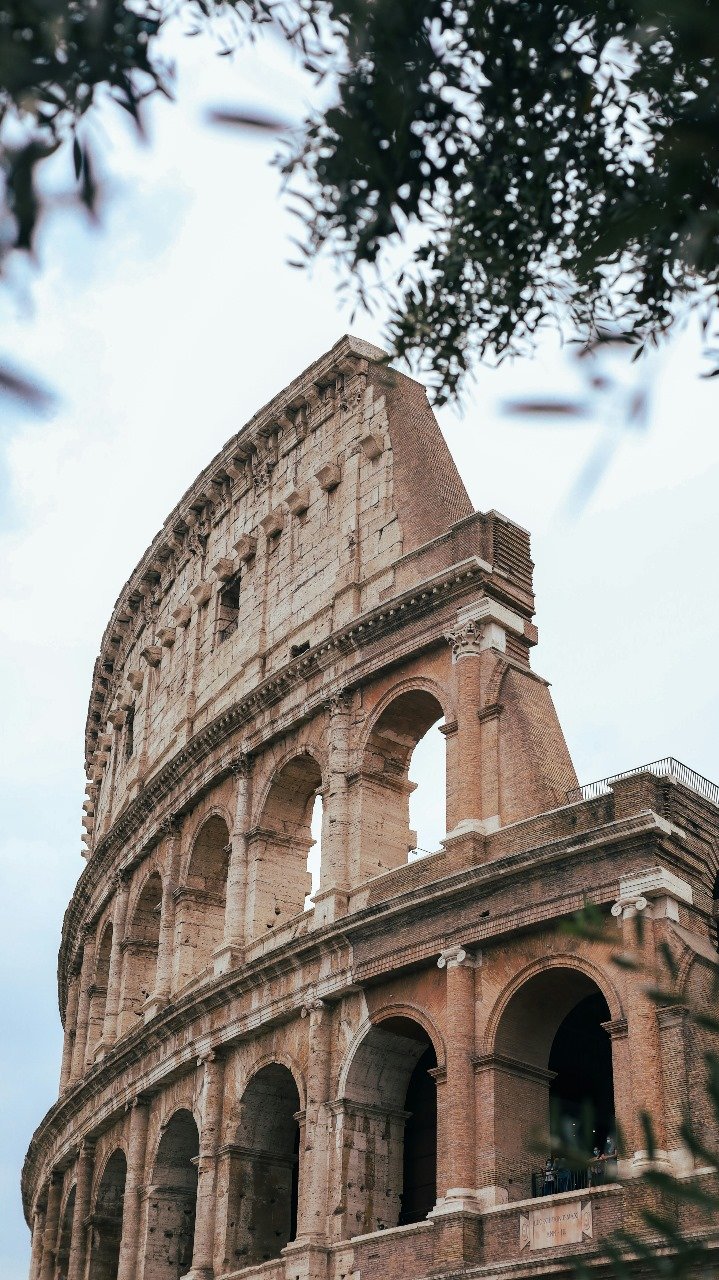
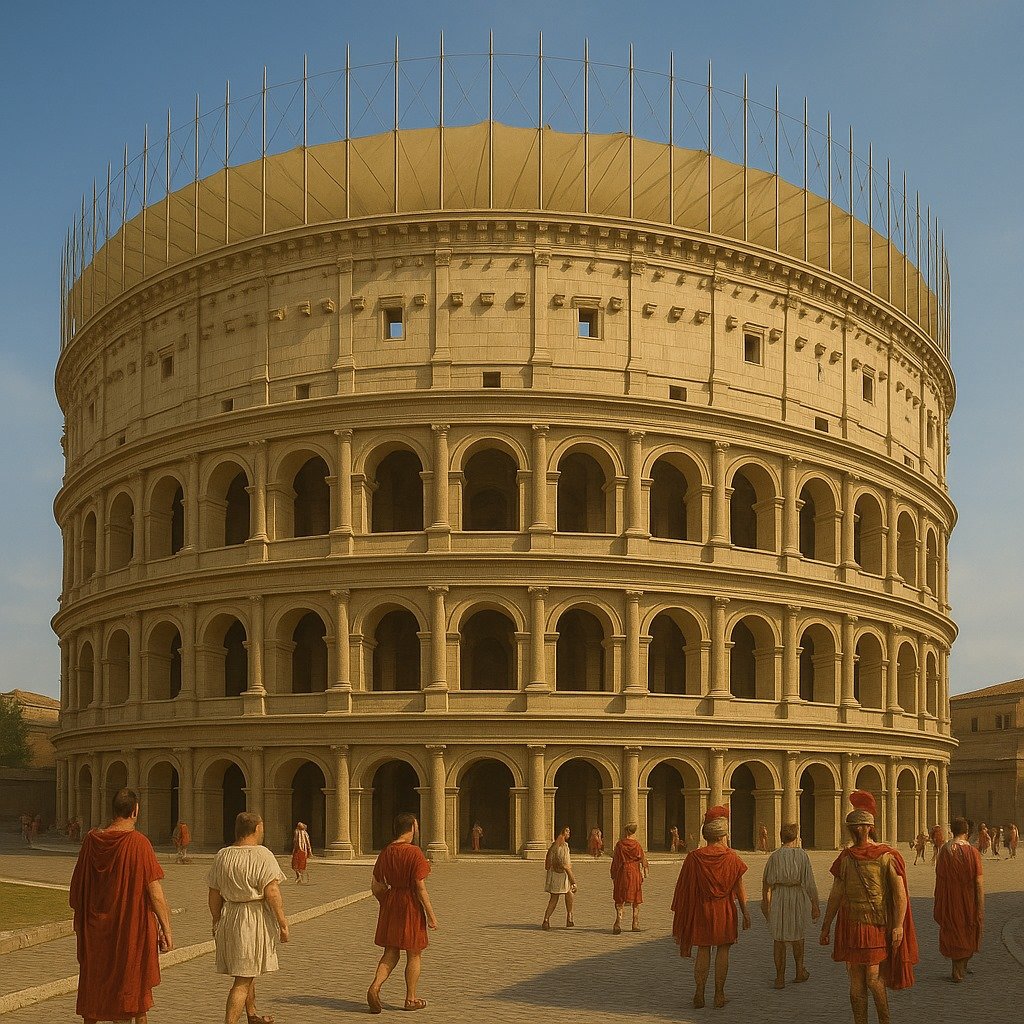
The Colosseum remains the largest ancient amphitheater ever constructed, a feat of engineering still studied and admired. Its massive elliptical shape, rising nearly 50 meters, showcases the brilliance of Roman concrete, arch construction, and layered architectural orders—Doric on the ground level, Ionic in the middle, and Corinthian crowning the top. The design was remarkably practical. Eighty entrances, called vomitoria, allowed the entire audience to enter or exit within minutes. Above the seating area, a system of masts supported the velarium, a vast retractable awning that shaded spectators from the sun. In many ways, this was the ancient world’s version of a state-of-the-art sports stadium.
Discovery and Research

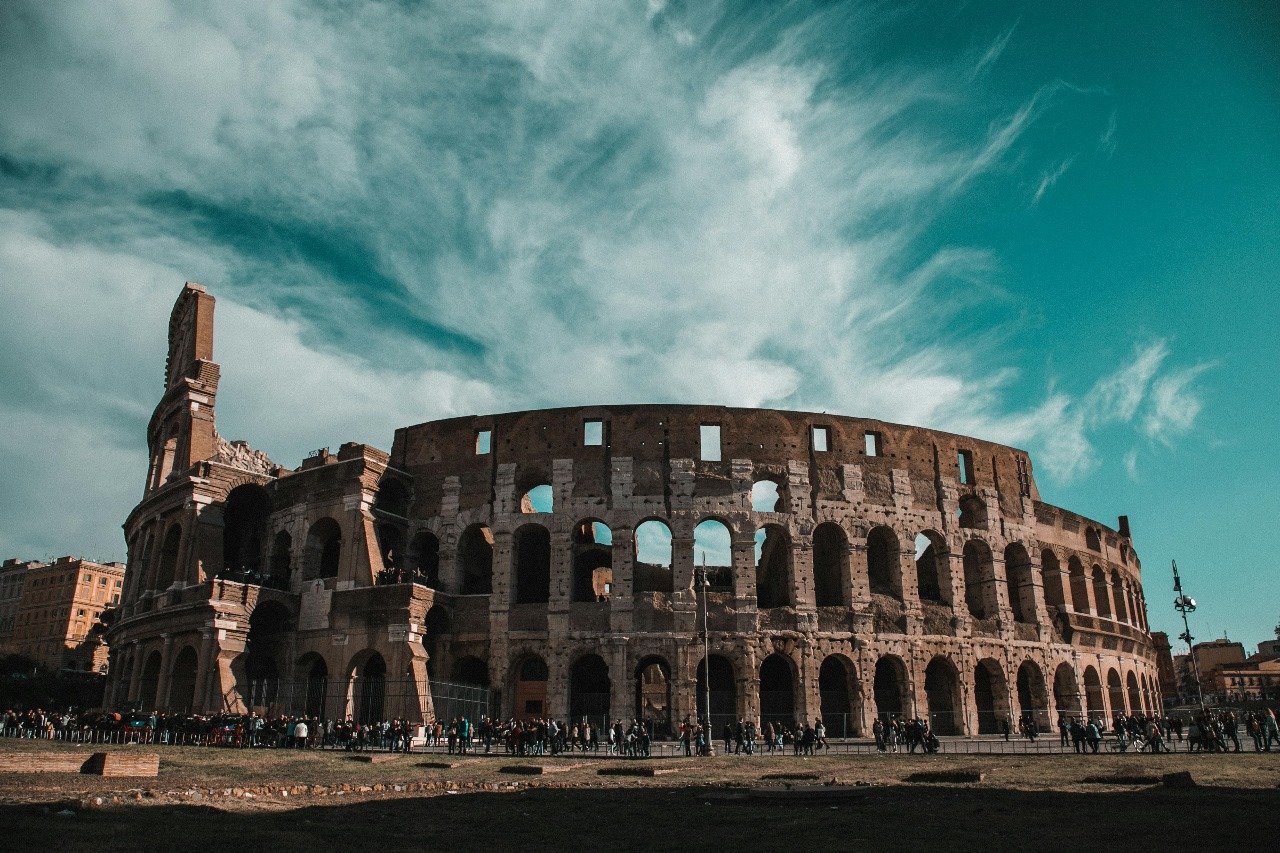
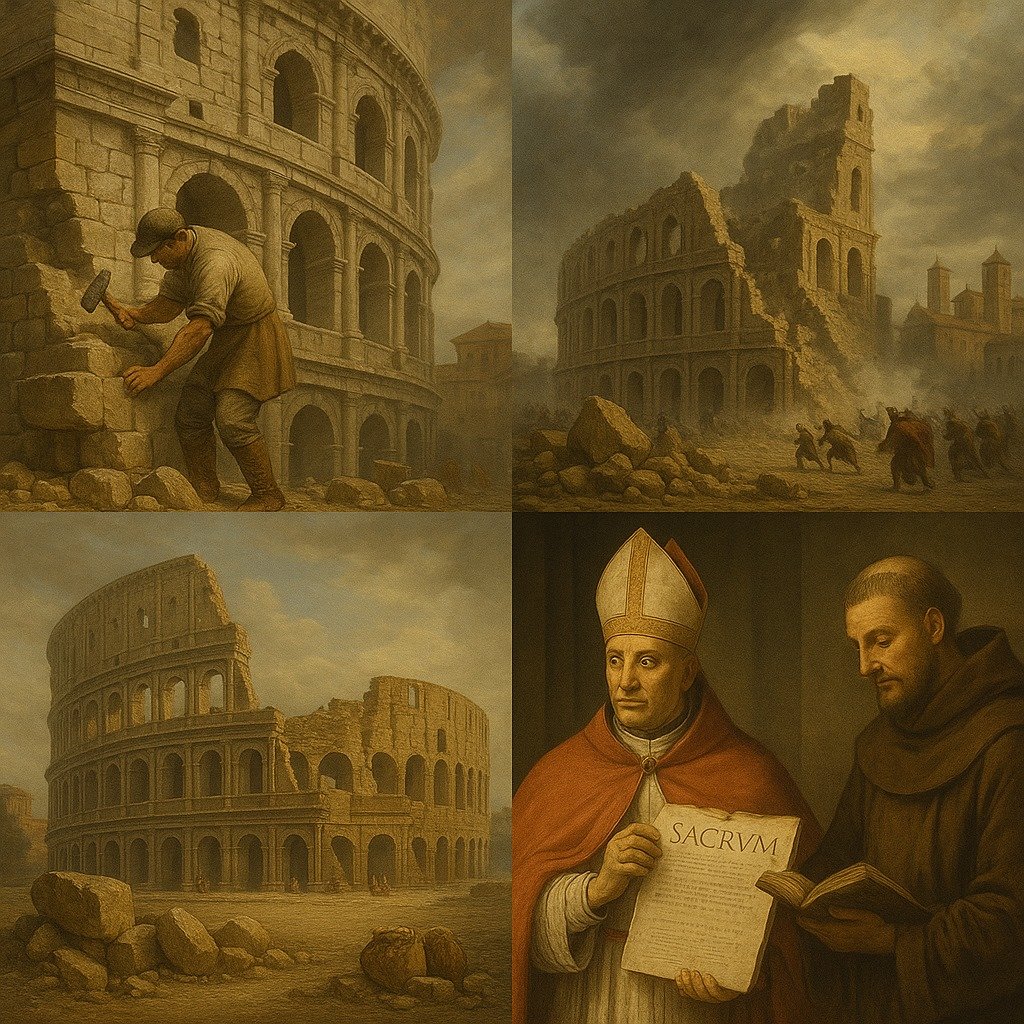
After the fall of the Western Roman Empire, the Colosseum began a long decline. With public games ending, the amphitheater was repurposed over the centuries: transformed into a fortress, used as housing, and eventually mined as a convenient source of stone for other Roman buildings—including parts of St. Peter’s Basilica. Natural disasters accelerated the damage. A devastating earthquake in 1349 caused the collapse of the entire outer south side, leaving the iconic broken silhouette seen today. Efforts to preserve the structure began in the 18th century, when Pope Benedict XIV declared it a sacred site in honor of Christian martyrs. Systematic restoration and archaeological research have continued ever since, revealing new details about its construction and use.

Mysteries & Secrets

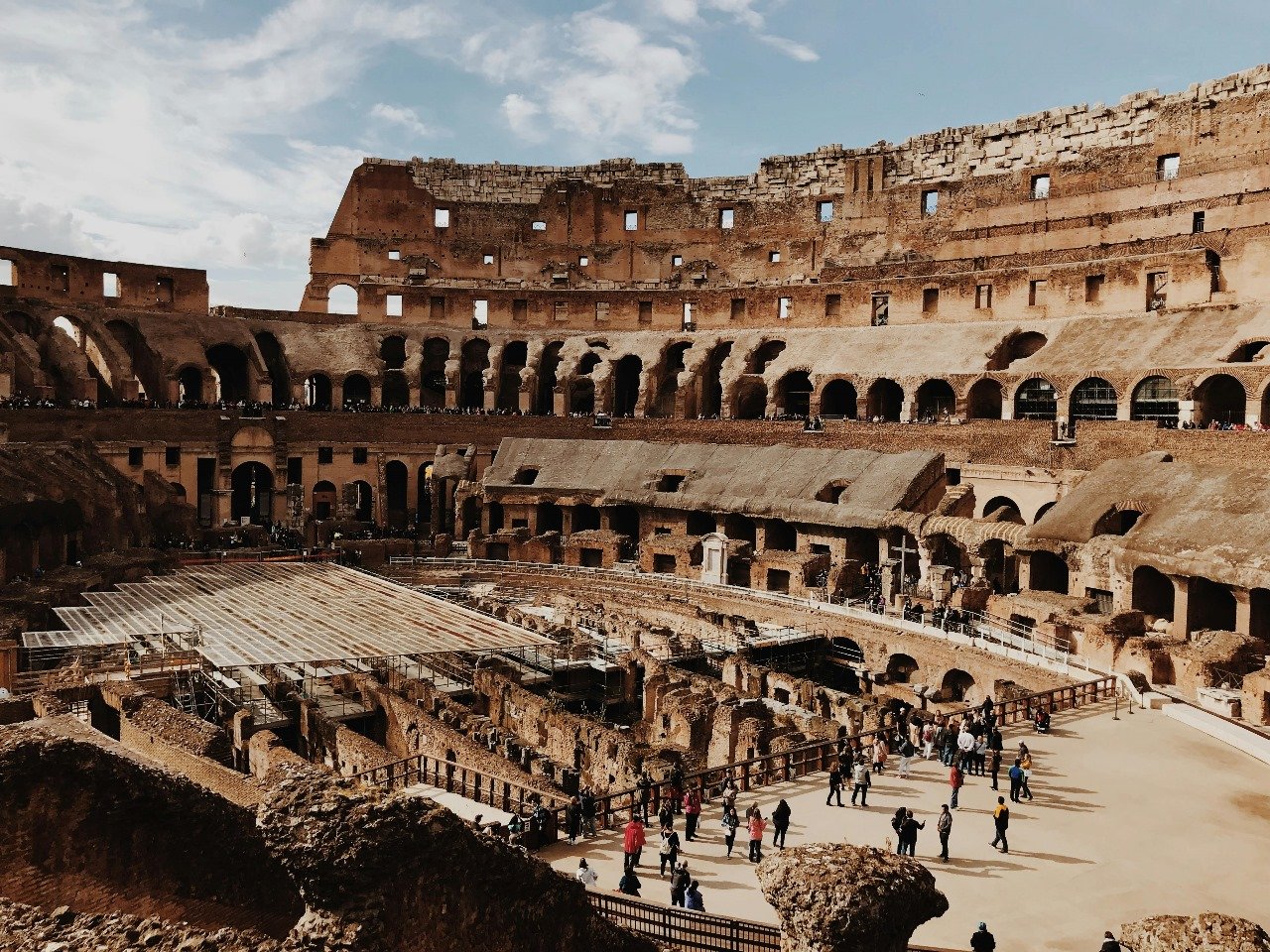
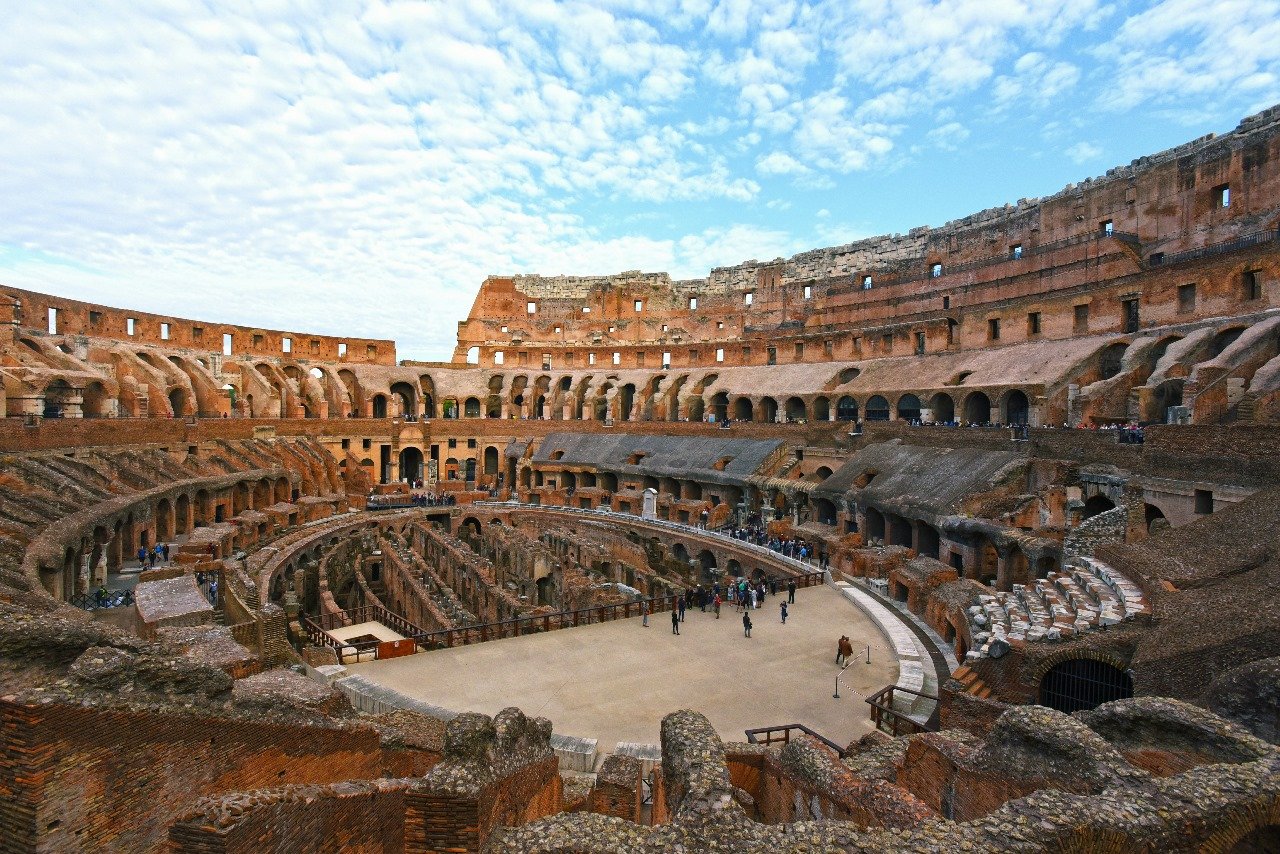
Much of the Colosseum’s ingenuity lies beneath the arena floor. The hypogeum, a two-level underground network of tunnels and chambers, served as the backstage of the ancient games. Gladiators, stagehands, and exotic animals moved through these passageways, emerging into the arena via wooden elevators and trapdoors operated by complex winch systems.

The mechanisms allowed dramatic entrances: predators appearing seemingly out of nowhere, or combatants rising into the sunlight to face their fate. One of the enduring mysteries involves the early naval spectacles. Historians still debate how engineers waterproofed the arena and flooded it rapidly enough to stage these small-scale sea battles—an engineering puzzle that remains unsolved.

Visitor Experience

Stepping into the Colosseum today delivers a powerful sense of time travel. Passing through its ancient arches, you walk the same stone corridors once crowded with Roman citizens. From the surviving tiers of seating, the entire arena comes into view—the exposed hypogeum, the reconstructed floor section, and the towering inner walls shaped by centuries of history.

Standing on the arena platform is especially striking. The perspective shifts: the steep stone seats surround you, the sky opens above, and the roar of long-silent crowds feels almost imaginable. From the upper levels, the panorama widens to include the Roman Forum and the Arch of Constantine, connecting the Colosseum to the very heart of ancient Rome.

Quick Facts

➤ UNESCO Status: Part of the Historic Centre of Rome World Heritage Site (1980)
➤ Construction: Started 70–72 AD; completed in 80 AD
➤ Official Name: Flavian Amphitheater
➤ Location: Piazza del Colosseo, Rome, Italy
➤ Opening Hours: Daily; times vary seasonally (e.g., 9:00–19:15 in summer)
➤ Capacity: Estimated 50,000–80,000 spectators