The Grand Egyptian Museum: Where 5,000 Years Meet the Future
The Grand Egyptian Museum (GEM) is not merely a building; it is a colossal bridge spanning five millennia of human history. Located just over a mile from the Great Pyramids of Giza, this billion-dollar cultural fortress serves as the ultimate sanctuary for ancient Egypt’s most precious treasures. Unlike the dusty, crowded corridors of older institutions, the GEM offers a breathing space for history, allowing the world’s most significant archaeological collection to shine in a setting worthy of its magnitude. It is the largest museum in the world dedicated to a single civilization, designed to replace chaos with clarity and preservation. For the traveler, it promises an encounter that is both intimate and monumental—a chance to stand face-to-face with the Pharaohs in a modern temple of light, stone, and silence.
A Glimpse into History
Architectural Marvels
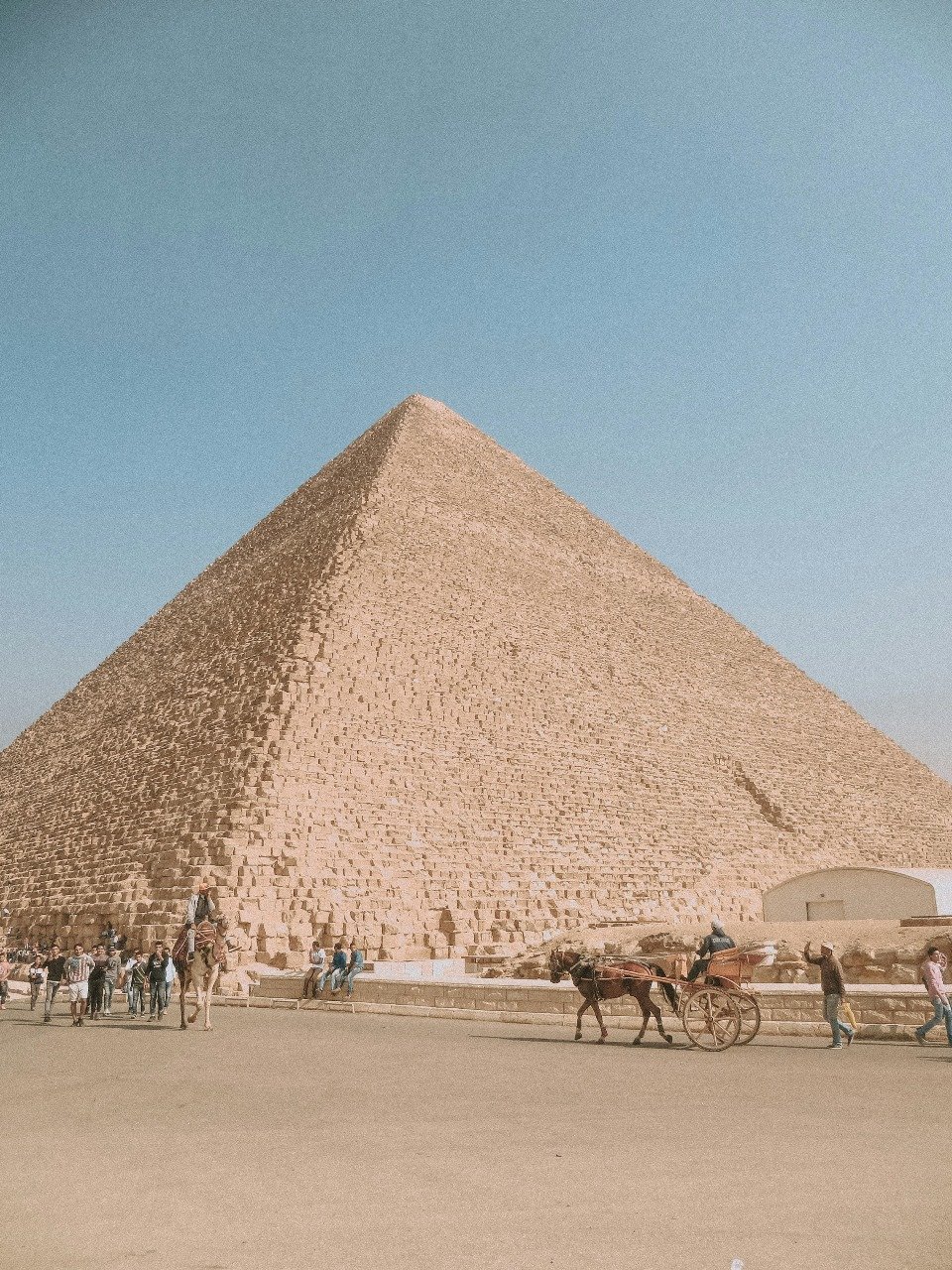
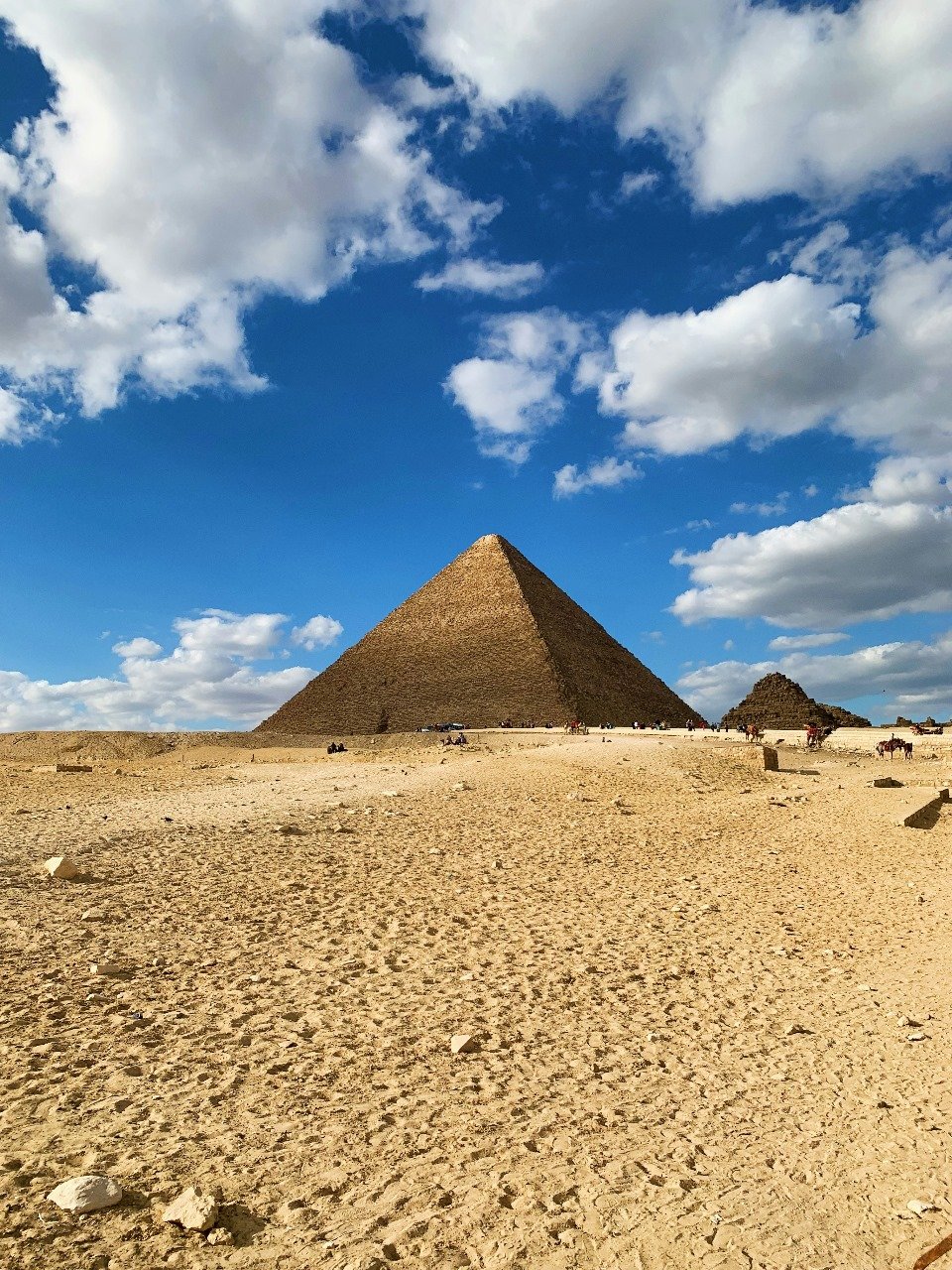
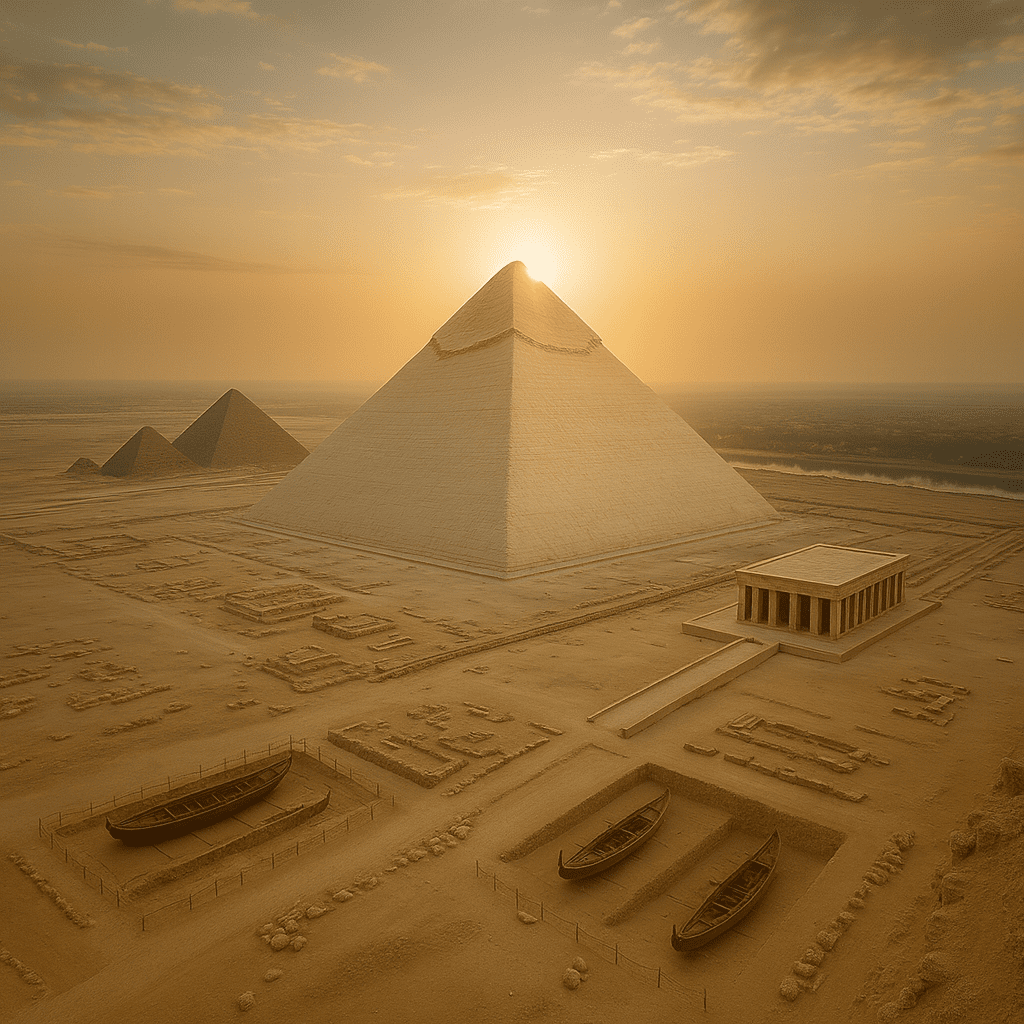
Approaching the GEM feels like discovering a fourth pyramid. Designed by Heneghan Peng Architects, the structure does not compete with the ancient pyramids nearby but rather bows to them. The building’s massive translucent stone facade changes with the sun, glowing soft gold by day and amber by night. Its form is determined by a series of visual axes radiating from the three Giza pyramids, effectively anchoring the modern structure to the ancient site. Inside, the sense of scale is overwhelming yet serene. The central atrium is a cavern of light, dominated by the colossal statue of Ramses II, which was moved here with military precision. The architecture plays with the concept of "layers" of time; as you ascend the Grand Staircase, the building physically lifts you from the valley floor to the plateau level, offering a dramatic, framed view of the Pyramids of Giza through a massive glass wall—a living mural of history that no painting could replicate.
The Collection Highlights
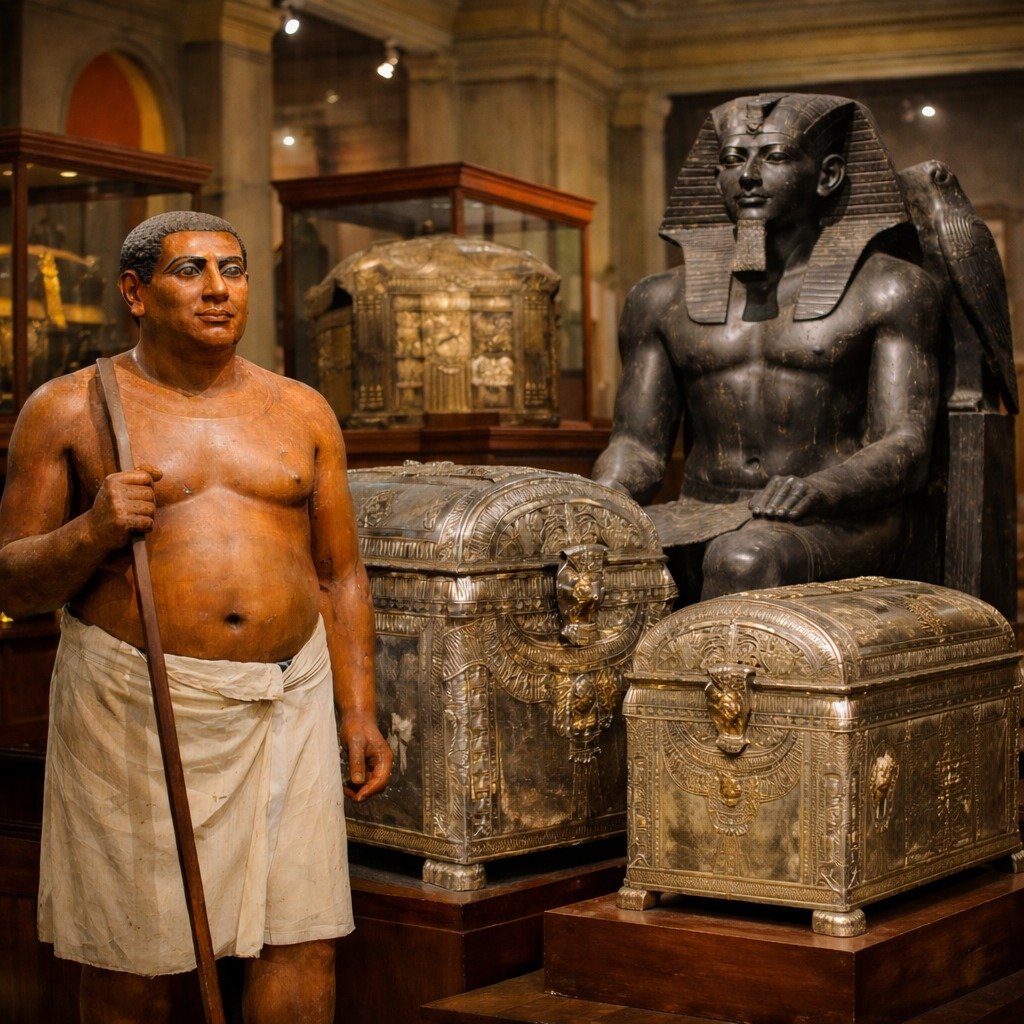
The soul of the GEM lies in its unprecedented collection. For the first time in history, the entire treasure trove of King Tutankhamun—over 5,000 individual objects—is displayed together. This includes not just the famous gold mask and sarcophagi, but the intimate, everyday items that humanize the divine ruler: his chariots, disassembled and reassembled to show their engineering genius, his sandals, and even his childhood games. Beyond the gold of the Boy King, the museum houses the Solar Boat of Khufu. This 4,600-year-old vessel, once buried at the foot of the Great Pyramid to carry the Pharaoh across the heavens, now floats in its own dedicated space. The Grand Staircase itself serves as a vertical gallery, lined with heavy stone sarcophagi and statues of warrior kings that seem to guard the ascent. The presentation moves away from cluttered cases, using space and shadow to let each masterpiece tell its own silent story.