Pyramid of Menkaure: Inside Giza’s Red Granite Jewel
Standing quietly at the edge of the Giza Plateau, the Pyramid of Menkaure offers a different vision of ancient Egyptian greatness. While its colossal neighbors dominate the skyline, Menkaure’s pyramid rewards those who look closer. Defined by refined craftsmanship, rare materials, and an atmosphere of intimacy, it represents a moment in Egyptian history where symbolism, divinity, and architectural experimentation mattered as much as sheer size.
Built during the Fourth Dynasty for Menkaure, this pyramid once gleamed with red granite and white limestone, creating a striking contrast under the desert sun. Today, it remains one of the most compelling—and underrated—monuments on the plateau.
A Glimpse into History
Architectural Marvels
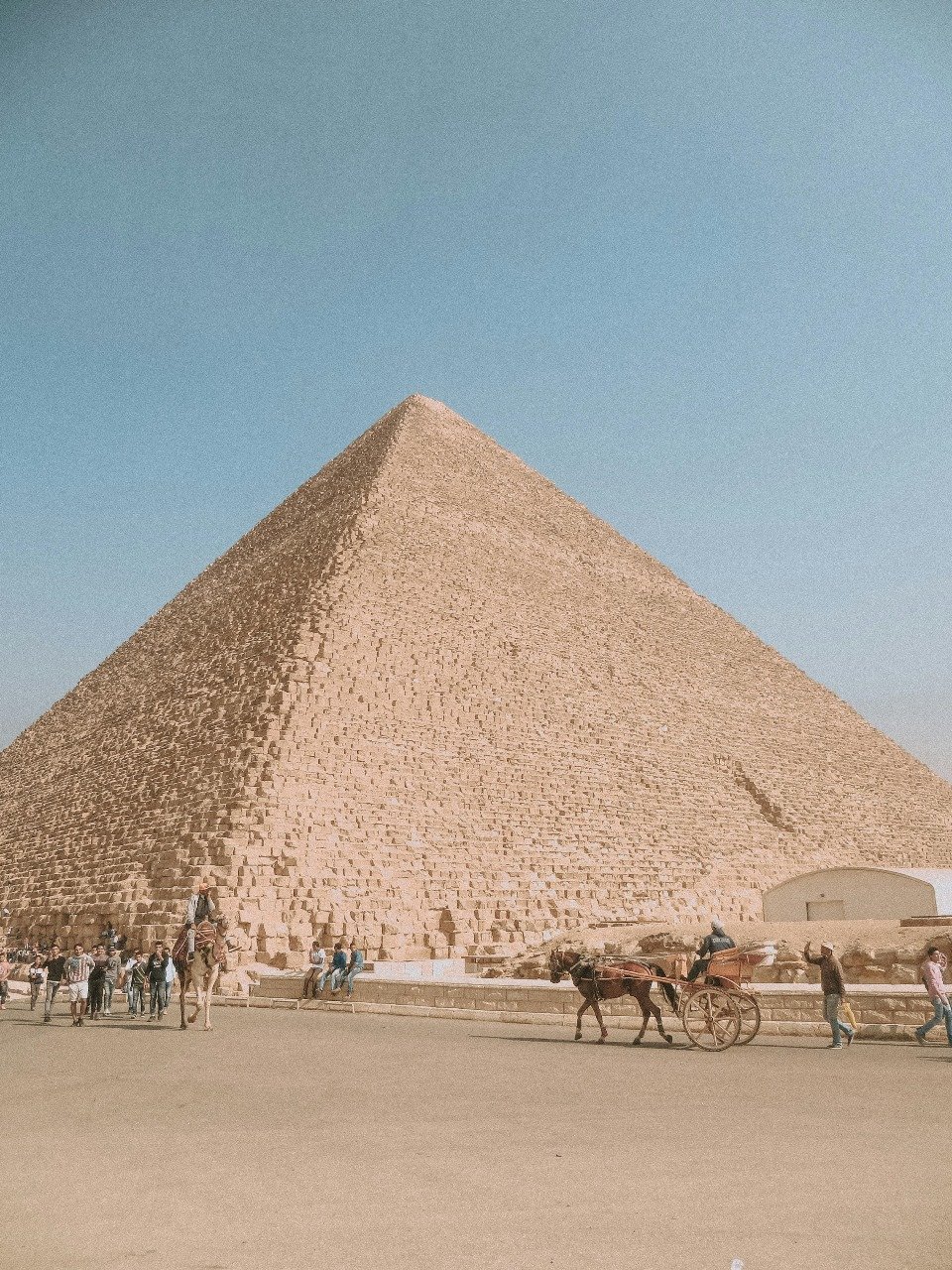
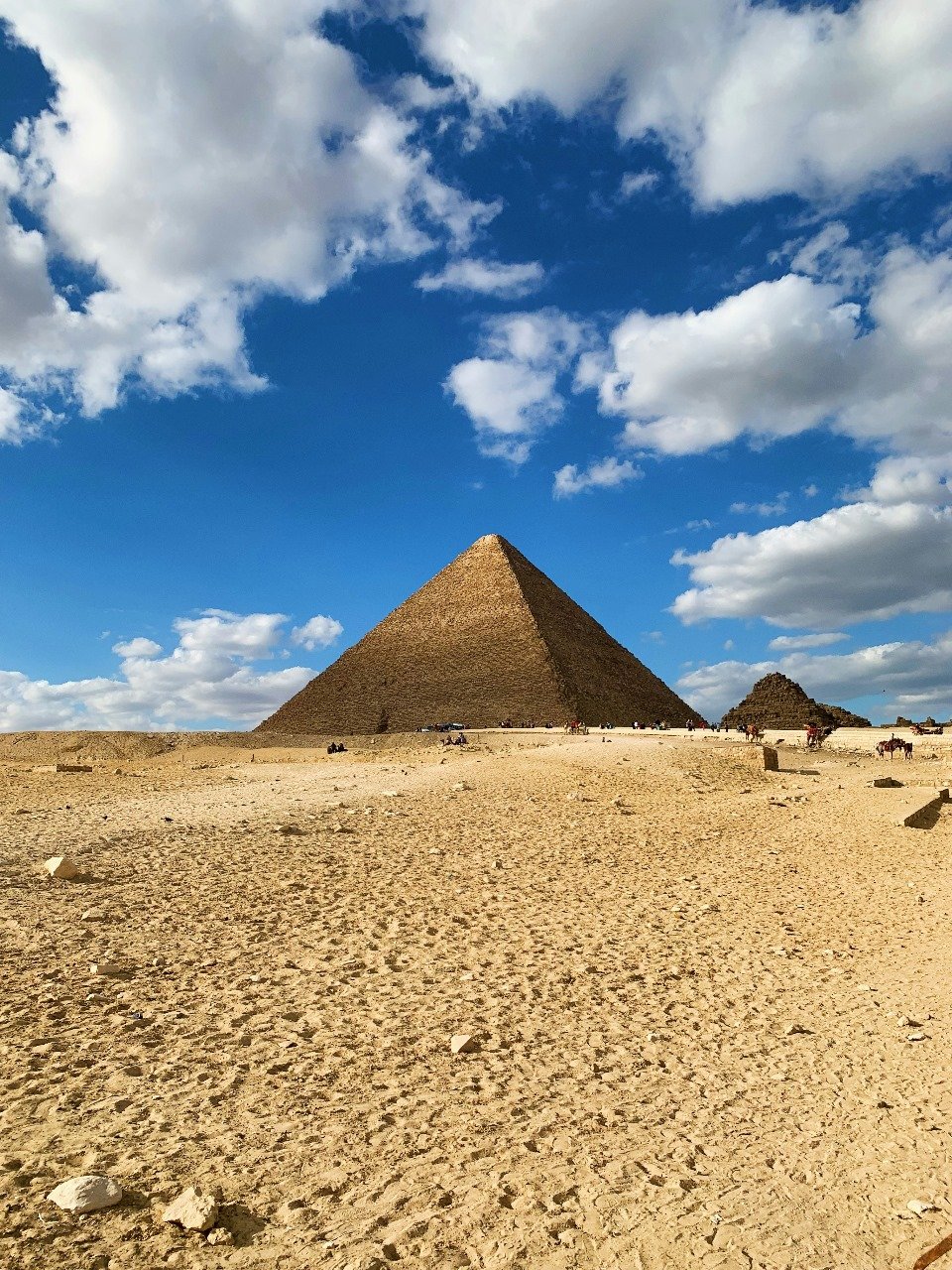
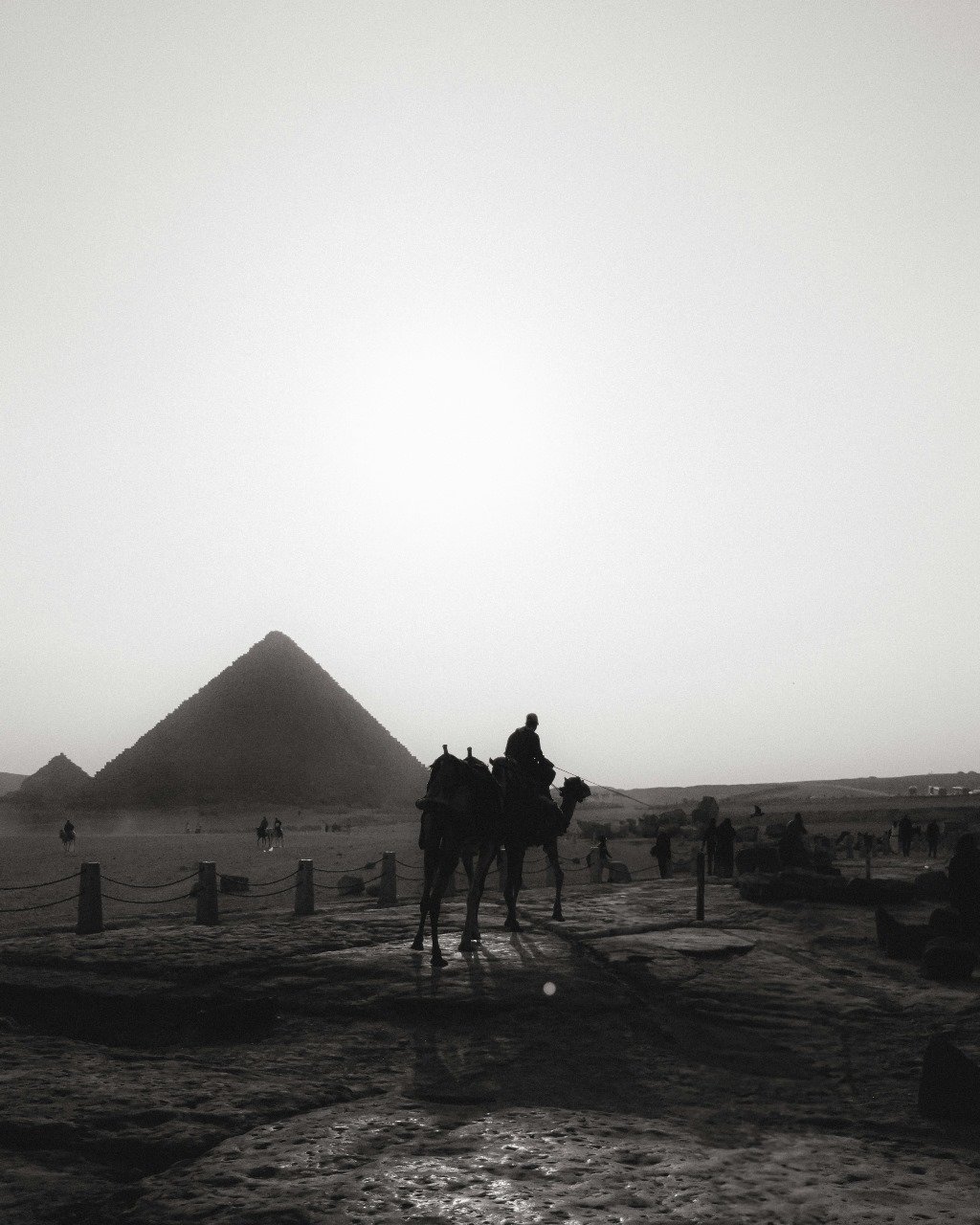
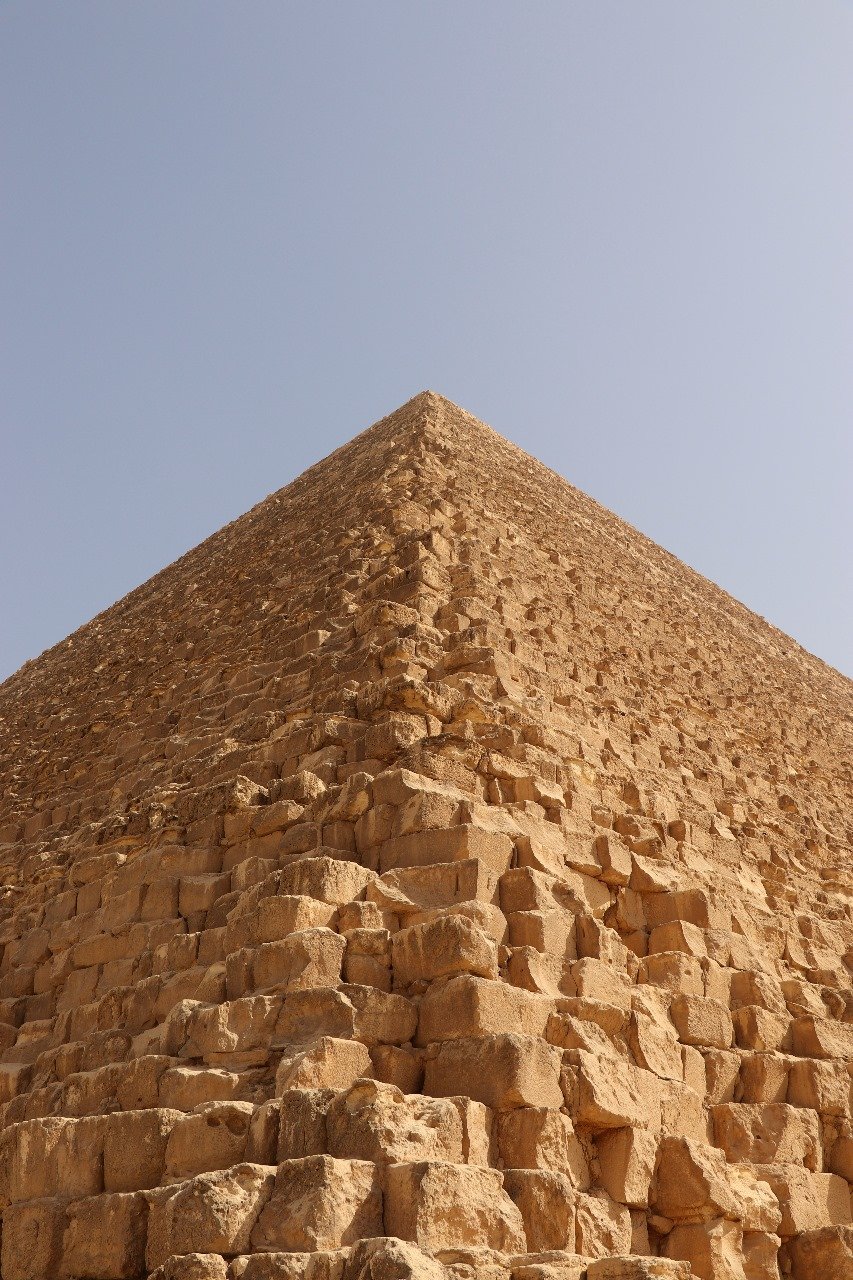
Originally rising to approximately 65.5 meters (215 feet), the Pyramid of Menkaure is the smallest of the three main pyramids at Giza, yet it is the most visually distinctive; its lower courses were encased in massive blocks of red granite transported from Aswan—over 800 kilometers south—while the upper sections were finished in fine white limestone, a combination that created a dramatic two-tone appearance unmatched anywhere else on the plateau, and even today, large sections of the granite casing remain in place, making Menkaure’s pyramid the only Giza pyramid where this rare material can still be seen *in situ*; inside, the burial chamber is lined entirely with granite and capped with a vaulted ceiling carved to distribute the immense weight above, and the restrained but powerful interior design reflects the advanced engineering knowledge of Fourth Dynasty builders.
Discovery and Research
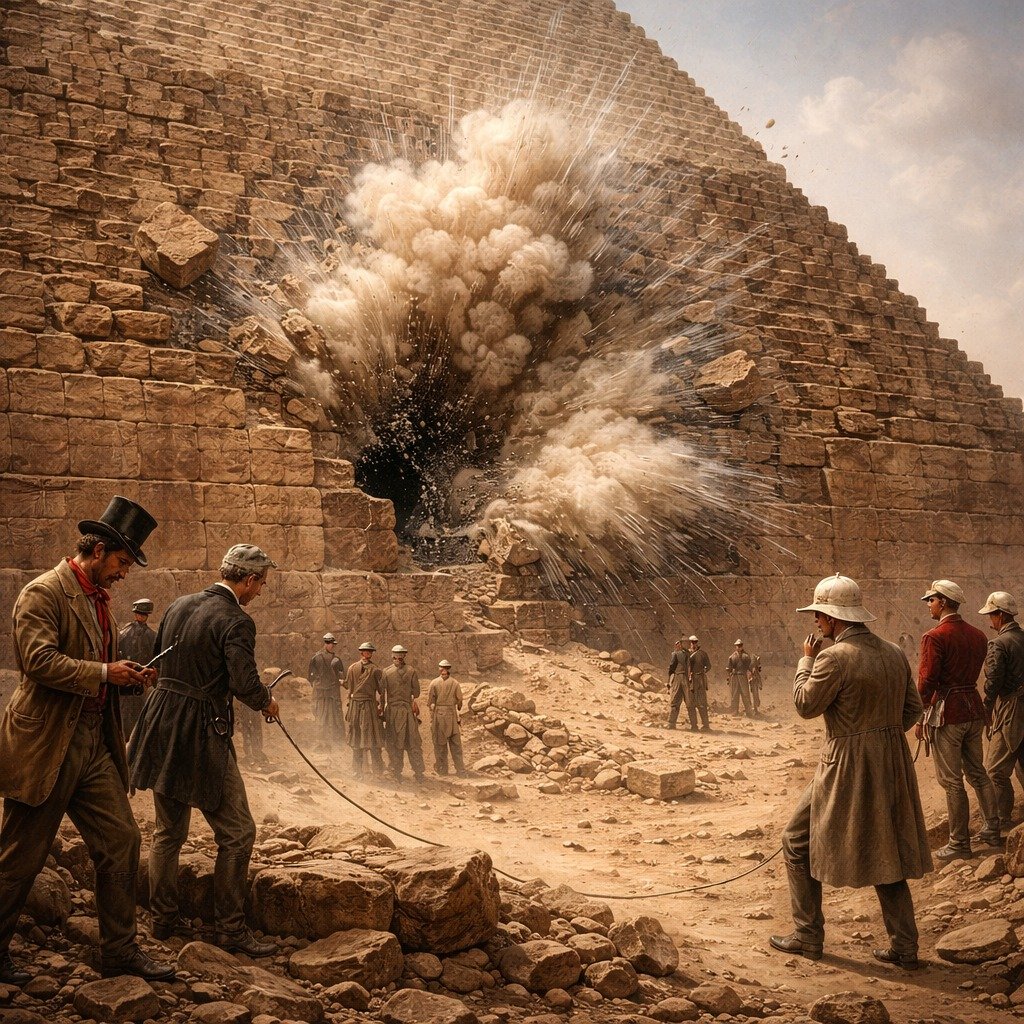
The exploration of Menkaure’s pyramid is a tale of evolving technology, from brute force to cosmic rays. In 1837, the British explorer Colonel Howard Vyse blasted his way into the structure using gunpowder, a destructive method that eventually revealed the internal corridors and chambers. His aggressive excavation brought to light the internal layout, but caused irreversible damage to the masonry. Today, the approach is vastly different. The "ScanPyramids" project has brought this monument back into the scientific spotlight without moving a single stone. Using non-invasive cosmic-ray muon radiography and thermal imaging, researchers have recently identified density anomalies and potential voids behind the casing stones. These high-tech scans suggest that even the smallest of the Giza giants still hides corridors or chambers yet to be walked by modern man, bridging the gap between Victorian dynamite and 21st-century physics.
Mysteries & Secrets
The greatest mystery of Menkaure’s pyramid is a tragic tale of lost treasure. When Howard Vyse entered the burial chamber in 1837, he discovered a magnificent basalt sarcophagus, intricately decorated with "palace-façade" paneling—a masterpiece of Old Kingdom art. It was removed and loaded onto the merchant ship Beatrice for transport to the British Museum. However, in 1838, the ship sailed into a violent storm off the coast of Cartagena, Spain, and sank, taking the pharaoh’s sarcophagus to the bottom of the sea. It remains one of Egyptology’s most heartbroken losses, and to this day, deep-sea expeditions dream of locating the wreck and recovering the royal artifact. Additionally, the pyramid presents the mystery of the "unfinished" granite casing. Near the entrance, the hard granite blocks still bear their "handling bosses"—protrusions used to maneuver the stones—which were never shaved off, leaving us to wonder why the work stopped so abruptly.

Visitor Experience
Among visitors to the Giza Plateau, Menkaure’s pyramid is often described as the most atmospheric experience. Its location, slightly removed from the main crowds, allows for moments of rare calm in one of the world’s busiest archaeological sites.
Entering the pyramid requires a separate ticket and involves descending a steep passage into cool, still air. The granite-lined burial chamber is dark, silent, and powerfully evocative. Unlike the vast interior spaces of the Great Pyramid, Menkaure’s chambers feel personal—almost contemplative—offering a direct, physical connection to the ancient world.
Quick Facts
Built: Circa 2510 BC (Fourth Dynasty)
Original Height: 65.5 meters (215 feet)
Current Height: Approximately 61 meters (200 feet)
Material: Limestone core with red granite casing
UNESCO Status: Part of Memphis and its Necropolis World Heritage Site