Pyramid of Khafre Guide: Secrets of Giza’s Second Pyramid
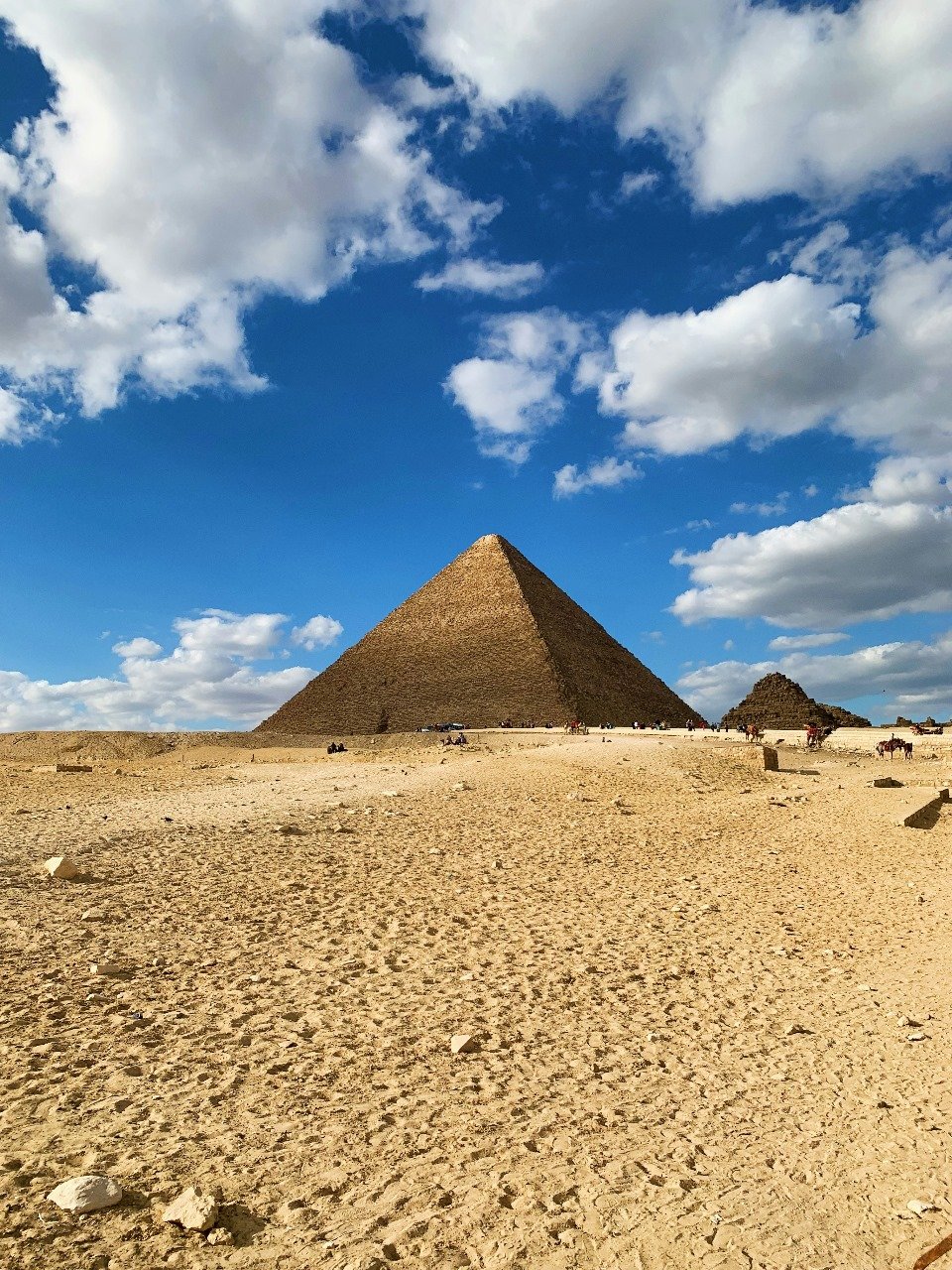
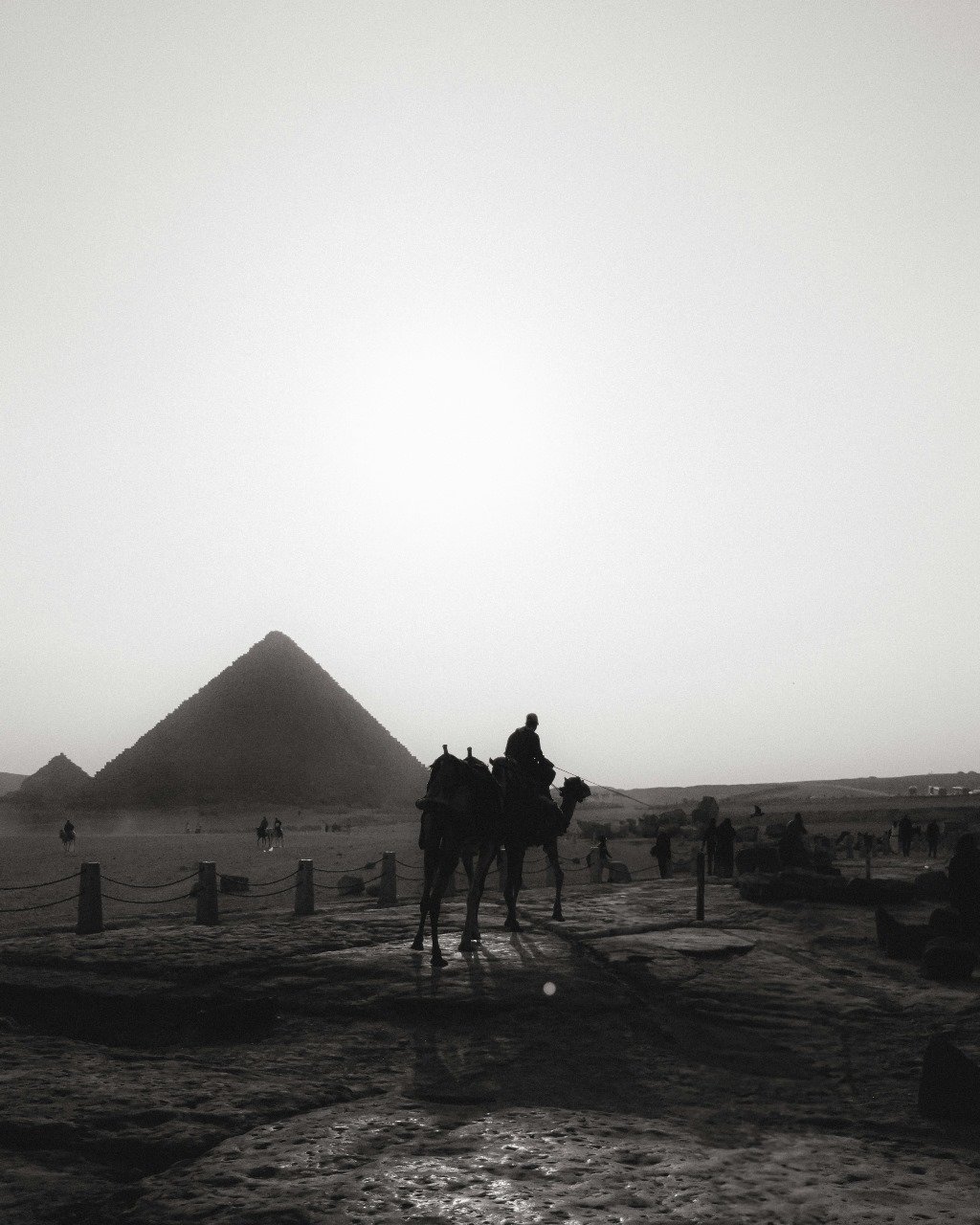
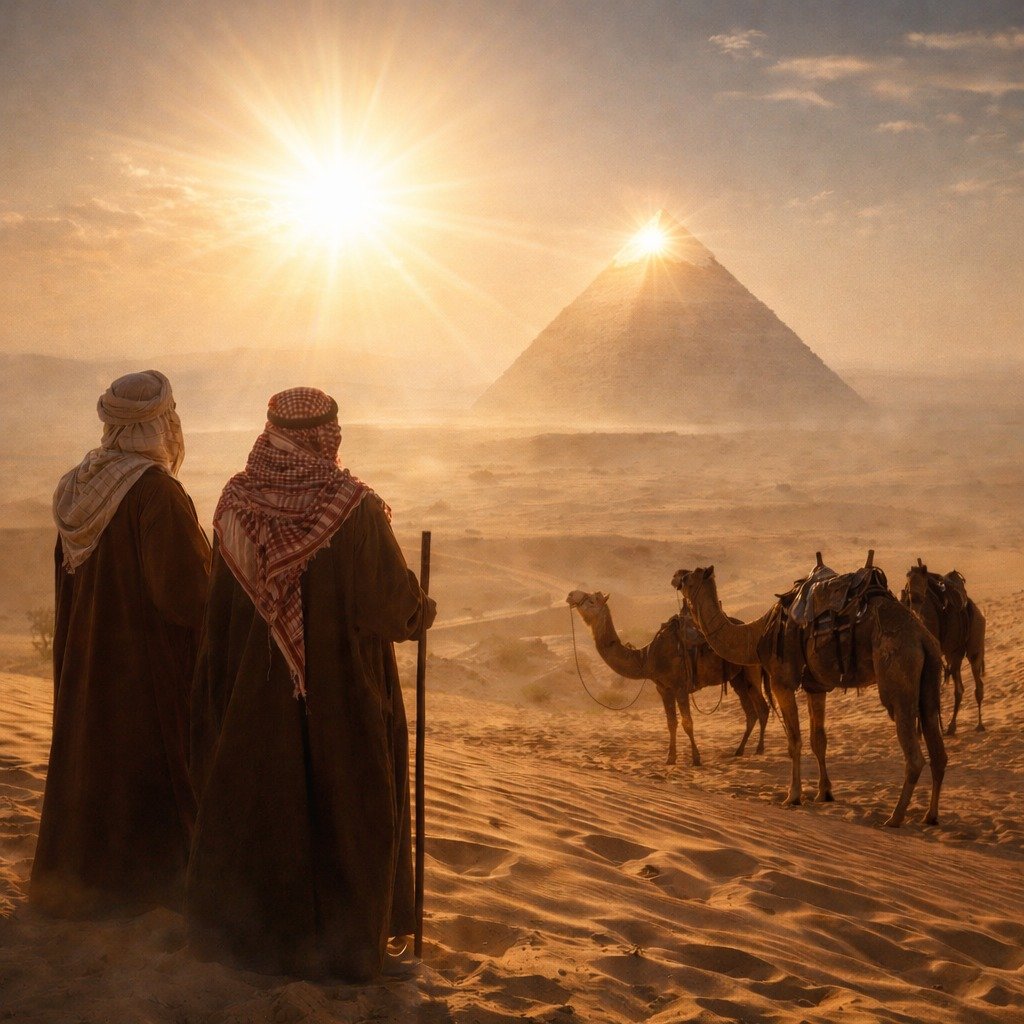
Rising powerfully from the sands of the Giza Plateau, the Pyramid of Khafre dominates the horizon with an authority that has endured for more than 4,500 years. Although slightly smaller than the Great Pyramid, Khafre’s monument often appears taller thanks to its steeper angle and elevated bedrock foundation. This optical mastery is only part of its allure.
What truly sets it apart is the surviving limestone casing stones at its summit—the last visible remnants of the smooth, white exterior that once made the pyramids of Giza shine like mountains of light. While the Great Pyramid of Khufu impresses through sheer scale, Khafre’s pyramid offers something more immersive: a nearly complete funerary complex that includes temples, causeways, and the legendary Great Sphinx.
Visiting the Pyramid of Khafre is not simply sightseeing. It is a journey into royal ambition, divine belief, and architectural genius—crafted by a pharaoh determined to rival, and perhaps surpass, his father’s legacy.
A Glimpse into History
Architectural Marvels
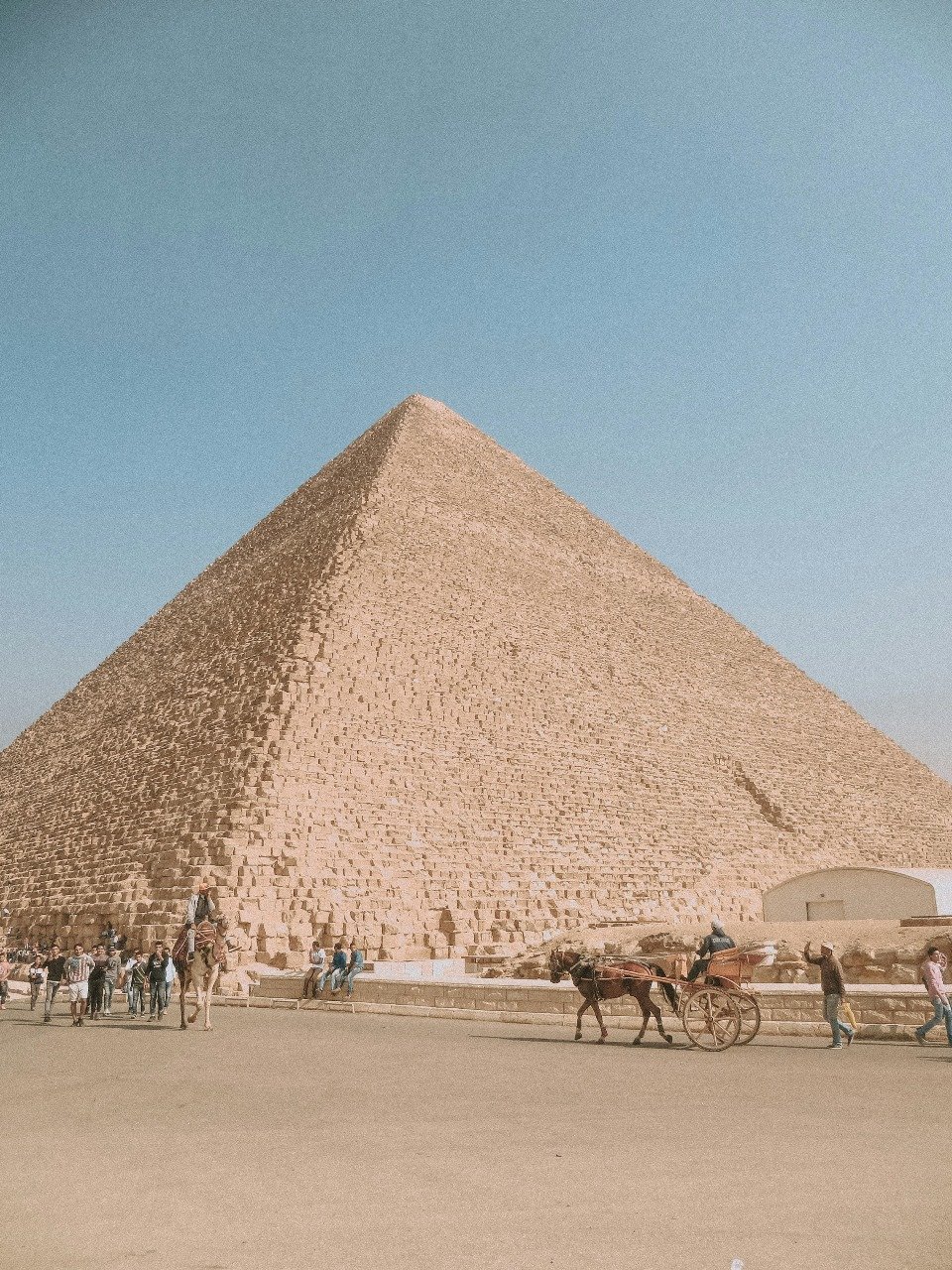
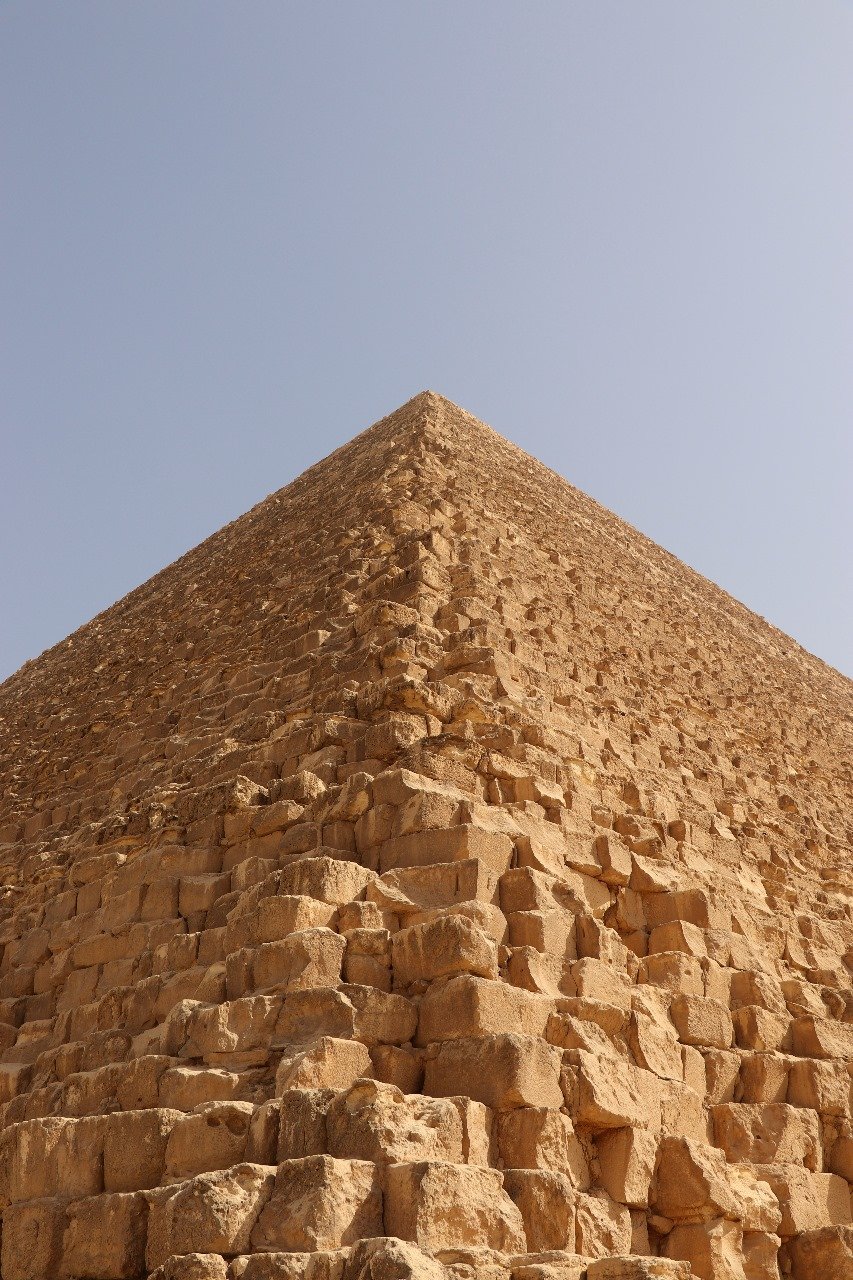
Originally standing at 143.5 meters (471 feet), the Pyramid of Khafre now reaches approximately 136 meters due to the loss of its outer casing, yet because it was built on ground 10 meters higher than Khufu’s pyramid, it often appears taller—a deliberate and ingenious illusion; the most iconic feature is the limestone “cap” at the summit, composed of polished Tura limestone blocks that once covered the entire structure and reflected sunlight so intensely that ancient travelers reportedly saw the pyramids from miles away, while at the base massive red granite blocks—some weighing several tons—demonstrate extraordinary precision, fitted so tightly that even today a blade cannot slip between them; internally, the design is simpler than the Great Pyramid’s, with two descending passages merging into a single horizontal corridor leading to the burial chamber carved partly into the bedrock, and this restrained interior suggests that Khafre prioritized external grandeur and symbolic presence over complex inner mechanics.
Discovery and Research
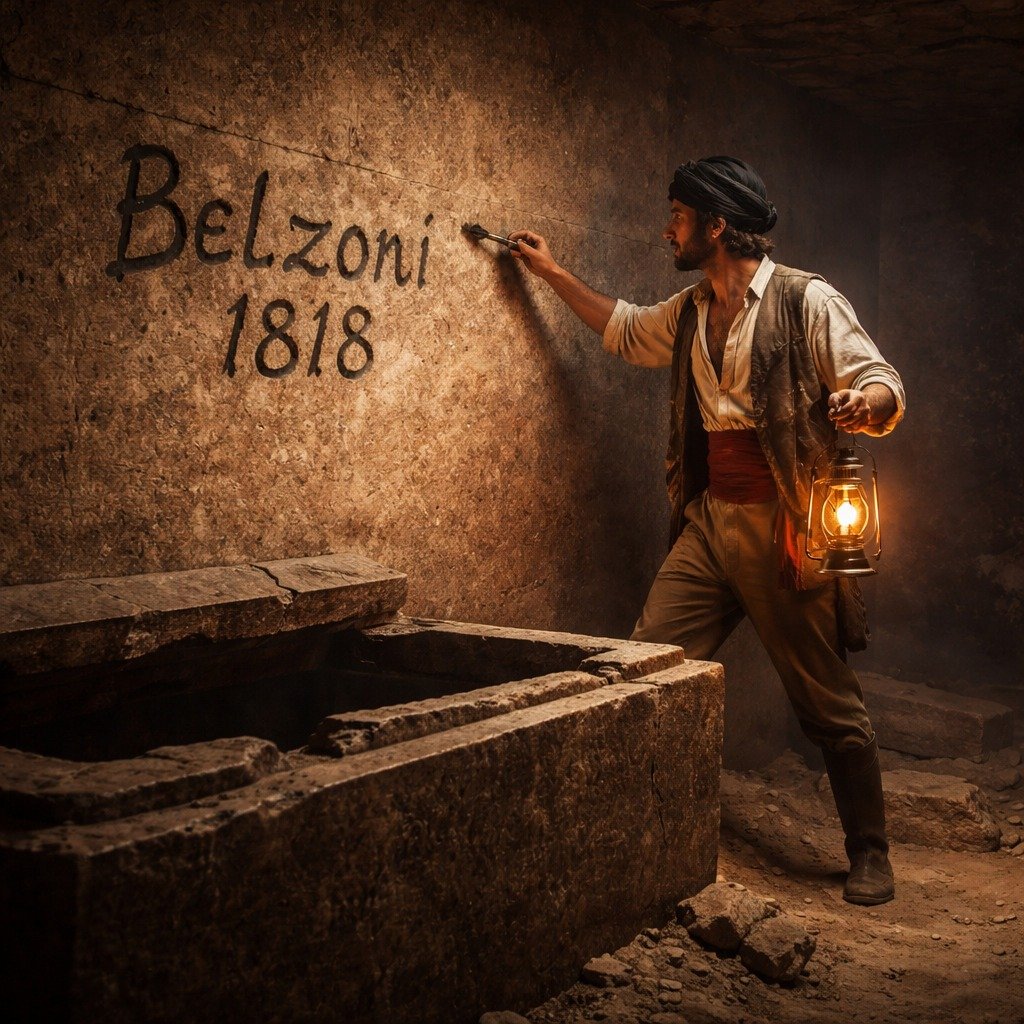
For centuries, the pyramid’s interior remained sealed and silent. That silence was broken in 1818 by Giovanni Belzoni, a former circus strongman turned explorer whose determination reshaped early Egyptology. Using architectural intuition rather than chance, Belzoni located the hidden entrance on the north face. After clearing centuries of sand and rubble, he became the first modern individual to enter the burial chamber. Inside, he found a massive granite sarcophagus—but no mummy. The lid was broken, and the tomb had been looted long before his arrival. To mark his discovery, Belzoni left a soot inscription on the chamber wall, recording his name and the date. Remarkably, this graffiti remains visible today, a bold reminder of the moment modern history reconnected with ancient silence.
Mysteries & Secrets
Despite extensive study, the Pyramid of Khafre continues to provoke debate. One enduring mystery is its relatively simple interior compared to Khufu’s pyramid. Why would a powerful pharaoh choose a less complex burial design? Some researchers speculate that hidden chambers may still exist, concealed behind thick masonry.
Another ongoing debate surrounds the Great Sphinx. Most scholars believe it bears the face of Khafre and served as a guardian of his funerary complex. Yet, the absence of definitive inscriptions linking the statue to the pharaoh leaves room for alternative theories.
Perhaps most curious is what Belzoni found inside the sarcophagus: bull bones. Whether these were ritual offerings or remnants of an earlier intrusion remains unknown, adding another layer of intrigue to an already enigmatic monument.
Visitor Experience
Entering the Pyramid of Khafre is a physical and emotional experience. The descent is steep and narrow, forcing visitors to crouch as they move downward through a long, sloping corridor. The air grows warmer and heavier, amplifying the sensation of being deep beneath millions of tons of stone.
Eventually, the passage opens into the burial chamber. The space is stark and powerful, with the black granite sarcophagus resting silently against the far wall. Standing there, surrounded by stone that has not moved in millennia, creates an overwhelming sense of isolation—and connection—with the ancient past.
Emerging back into daylight, the sudden brightness reveals sweeping views of the Sphinx and the causeway, symbolically echoing the ancient journey from the underworld back into the realm of the living.
Quick Facts
Original Height: 143.5 meters (471 feet)
Base Length: 215.5 meters (707 feet)
Date of Construction: c. 2570 BC
Dynasty: Fourth Dynasty
Key Feature: Original limestone casing stones at the apex
UNESCO Status: Part of the Memphis and its Necropolis World Heritage Site